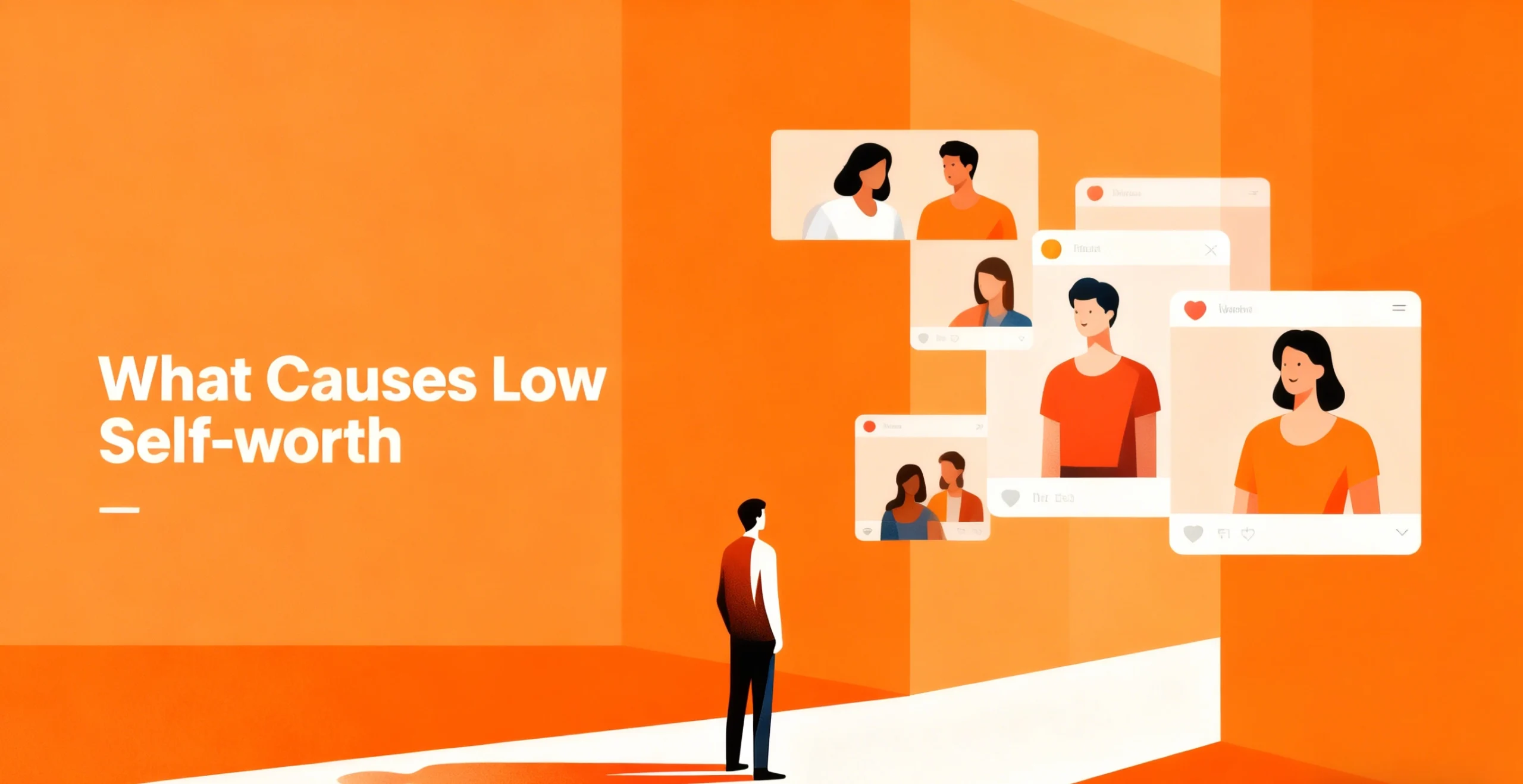
In the field of mental health, “low self-worth” is a very common yet often overlooked concept. Many people, after experiencing setbacks in life, work, or romantic relationships, feel inadequate, unworthy of love, or that their existence lacks meaning. To help more people understand the causes of low self-worth, this article will explore its psychological roots and formation mechanisms.
1. Childhood Experiences
Childhood is the foundational stage for an individual’s self-worth system. Whether a person is prone to low self-worth is profoundly and enduringly linked to their early life experiences.
- Family Atmosphere
In many families, the expression of love is mistakenly tied to harsh criticism. Parents or primary caregivers focus excessively on the child’s mistakes and shortcomings. They believe that “pointing out problems is being responsible,” systematically ignoring the affirmation of the child’s effort and small progress. This gradually leads the child to develop a distorted cognitive logic. “My value is conditional—it depends entirely on whether I am perfect.”
For example, a child excitedly shows off a test paper with a score of 95, but the parent questions, “How did you lose those 5 points?” Long-term exposure to such interactions teaches the child not to strive for excellence but a more fundamental belief: “I am never good enough.”
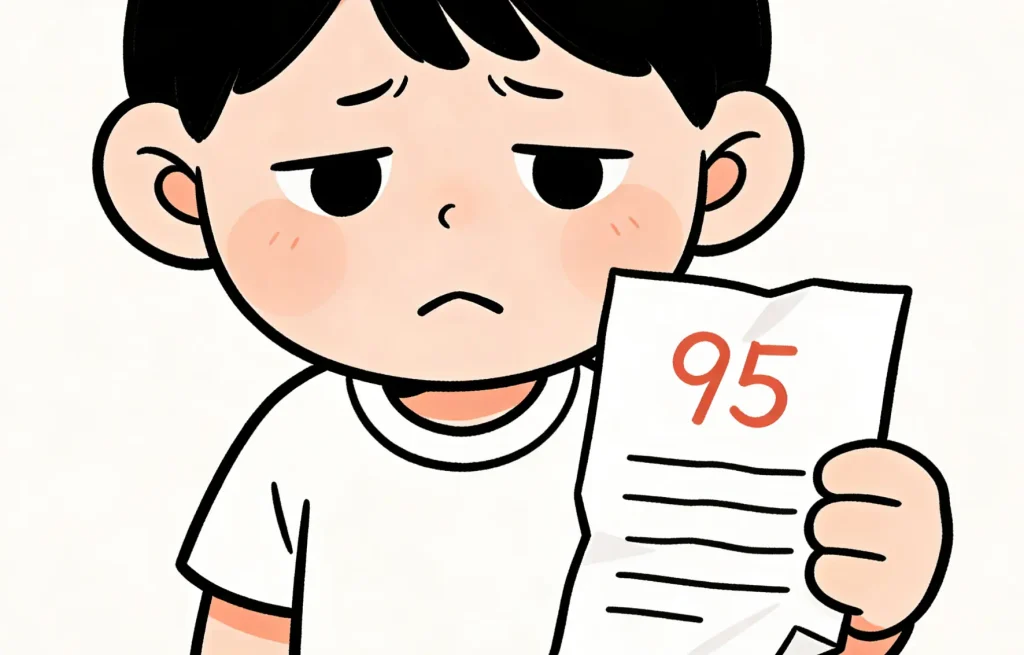
This harsh criticism, once internalized, forms a rigid self-monitoring system. Even the smallest mistake is magnified and perceived as a direct threat to self-worth. This mechanism is the source of the mutual nourishment between low self-esteem and perfectionism in adulthood.
- Emotional Neglect and Lack of Recognition
Emotional neglect is a more insidious and pervasive form of erosion. It is a kind of “existential absence.” The child’s emotional needs are consistently ignored, downplayed, or refused to be responded to. When they excitedly share, they receive only indifferent glances. When they are afraid, no one offers a safe embrace.
The core message the child receives is, “Your feelings don’t matter; your existence itself is insufficient to warrant attention.” This deep experience fosters a far-reaching core belief: “I am unworthy of love.” They may desperately crave recognition in intimate relationships, yet feel insecure and doubtful when they receive affection.
- Internalization of Comparative Culture
When parents and teachers frequently use others as benchmarks to measure children, they often cause children to completely relinquish the right to define their self-worth to the external world. This kind of comparison can apply to any dimension, including grades, talents, appearance, and personality. What children learn from this is not to appreciate their own uniqueness but a cruel value logic. My value lies not in “who I am,” but in “whether I am better than someone else.”
This directly leads to two serious consequences: one is an extremely fragile sense of self-worth. Self-worth is entirely dependent on the results of comparison. Once one “falls behind” in a certain dimension, the entire self-worth system faces collapse. The other is the loss of one’s true self. In order to win in comparisons, children may abandon their own identity to conform to external standards. This self-perception shaped by external comparison is one of the most common socialization causes of low self-worth.
These childhood experiences do not exist in isolation. They often intertwine to form a fine web, collectively weaving an individual’s “initial filter” for viewing themselves. “I must be perfect to have value.” “My feelings and needs are a burden; I don’t deserve to be loved.” “I only deserve respect if I surpass others.” A foundation of low self-esteem stemming from childhood makes an individual more susceptible to rejection and denial in adulthood.
2. Social Environment and Cultural Pressures
The fast pace and high competitiveness of modern society create an invisible field of comparison. Individuals are highly susceptible to feelings of insecurity within this environment. In particular, the following socio-cultural factors continuously activate and amplify the experience of low self-worth:
- The “Comparison Trap” of Social Media
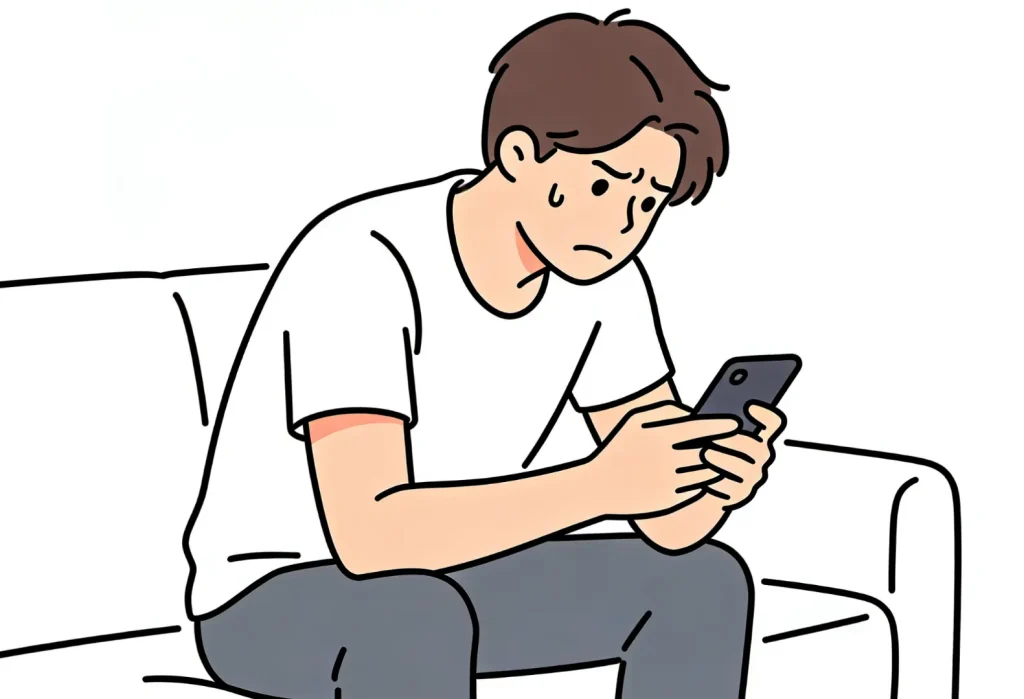
When users are frequently exposed to seemingly perfect slices of life from others—world travel, career advancement, harmonious families—distorted references are easily generated. This continuous social comparison fosters “comparative thinking”: happiness, success, and beauty are all assumed to have “standard answers.” When individuals find that their own experiences cannot match these presented “perfect templates,” low self-worth is continuously activated and deepened through repeated comparisons.
- Achievementism
When society reduces personal value to quantifiable external indicators (salary, position, property, education), individuals easily fall into the trap of “value outsourcing.” This instrumentalized self-perception causes people to align their sense of self-worth with constantly changing external standards. Even when certain standards are met, the underlying low self-worth is not eliminated by external achievements.
- The Invisible Discipline of Aesthetic Culture
Promoted by commercial media, certain physical characteristics or appearance standards are constructed as so-called “standards.” This invisible pressure exists not only in the comprehensive scrutiny of women’s appearance, age, and body but also extends to multiple dimensions such as masculine traits. When individuals find themselves differing from mainstream aesthetics, they see their bodies as objects that need to be modified and concealed. This sentiment directly erodes the foundation of self-esteem, concretizing low self-worth into persistent dissatisfaction and anxiety about the body.
3. Negative Thinking
Low self-worth is inextricably linked to one’s mindset. It causes individuals to unknowingly fall into a cognitive loop of self-doubt and self-denial. Common negative thinking patterns include:
- Excessive Self-Blame
Habitually taking responsibility for everything, even things beyond one’s control. This sense of guilt subtly reinforces the belief that “I am the root of the problem.” The foundation of self-worth is thus continuously eroded by guilt.
- Incorrect Value Judgments
Being that only perfection is worthwhile, feeling “I am a failure” at the slightest mistake. This mindset is essentially an extreme form of value judgment. Within this framework, an individual’s value is reduced to a binary switch of “success” or “failure.” Any minor imperfection triggers an alarm bell for the collapse of the entire value system. Living long on the edge of “all or nothing” anxiety causes a loss of the composure and acceptance to experience “good enough.”
- Magnifying Weaknesses
Constantly focusing on one’s shortcomings while ignoring one’s abilities and achievements reinforces a negative self-image. This is a classic example of cognitive attention bias. Over time, this selective focus builds a self-validating closed loop. It seeks only evidence that proves one’s worthlessness, ignoring contradictory evidence. This makes the belief in low self-worth seem “unassailable.”
These erroneous cognitive patterns are unconsciously repeated and deepened, making low self-worth difficult to improve. Negative thinking triggers negative emotions and avoidance behaviors. And the results of these behaviors are, in turn, interpreted by negative thinking as new evidence that “I really am incompetent.”
4. Interpersonal Relationships
An individual’s experiences in interpersonal relationships profoundly influence the construction of their self-worth. When a person consistently receives negative feedback or experiences emotional harm in a relationship, low self-worth is often reinforced and solidified in this interaction.
- Unhealthy Intimate Relationships
When intimate relationships involve belittling, neglect, or emotional manipulation, it evolves into a systemic mechanism that erodes self-worth. Individuals in such relationships for a long time gradually accept a distorted perception: “This is the only treatment I deserve” or “I don’t deserve respect and care.” More insidiously, emotional manipulation (such as the gaslighting effect) can cause people to gradually doubt their own feelings and judgments. They attribute problems in the relationship to their own shortcomings, thus completely undermining the foundation of their sense of self-worth on an emotional level.

- Negative Workplace Environments
The workplace is an important source of social identity. Being in a high-pressure, negative, or overly competitive environment for a long time, or constantly receiving negative feedback or experiencing unfair treatment, gradually erodes an individual’s sense of professional efficacy. This erosion of self-identity leads individuals to doubt their overall capabilities. Especially when individuals equate career achievement with personal value, workplace setbacks directly translate into profound self-denial.
- Social Exclusion and Relationship Trauma
Whether it’s school bullying or social exclusion in adulthood, these experiences cause a fundamental questioning of one’s right to belong. This perception solidifies subconsciously into a relationship script, causing individuals to either excessively ingratiate themselves to avoid further rejection or preemptively isolate themselves to protect their fragile self-esteem in future social interactions. Both coping mechanisms continuously reinforce the negative self-prediction of “I cannot fit in.”
Interpersonal relationships are like a mirror. Prolonged exposure to a distorted mirror leads one to gradually believe that the distorted image in the mirror is their true self. These negative relationship experiences deepen low self-worth precisely because they not only cause immediate harm but also reshape an individual’s core beliefs about themselves and others.
Conclusion
Low self-worth doesn’t develop overnight, nor does it disappear in an instant. It’s often a complex interplay of factors, including childhood experiences, sociocultural influences, negative cognitions, and interpersonal relationships. Understanding the causes of low self-worth is the first step towards change. When we see our own value and understand our uniqueness, our sense of self-worth gradually increases. Through consistent self-care, rational reflection, and a support system, low self-worth can be improved.