“Why is it always easy to get sick lately?”
“Why are small wounds healing so slowly?”
If you are suffering from similar problems, it is likely that the immune system is quietly sending signals.
The immune system is the body’s natural barrier, always guarding us from bacteria, viruses, and other harmful substances. However, with the accelerated pace of modern life, people staying up late, eating an unbalanced diet, and being under too much stress can make this barrier gradually weaken.
Of course, through a scientific lifestyle and dietary adjustments, you can effectively enhance its defense.
In this article, we’ll detail 10 scientifically proven ways to boost immunity system so you can start building a healthier, stronger body today.
Do You Really Understand the Dangers of Low Immunity?
The immune system protects us every day against a myriad of foreign pathogens. But when it gets tired or its function is weakened, the body can become unwell. To better understand the enhancement methods we’ll share later, let’s uncover the secrets of the immune system’s workings and look at the hidden health risks of a weak immune system.
How Does the Immune System’s Defense Network Work?
The immune system is not a single organ but a complex network of white blood cells, antibodies, the lymphatic system, the spleen, and the bone marrow. Its main responsibilities include:
- Recognizing invaders: bacteria, viruses, and fungi.
- Initiating attack: defense against pathogens by means of antibodies, neutralizing toxins, and killing infected cells.
- Remembering to protect: after successfully fending off an invasion, the immune system remembers the specific pathogen and is able to react faster the next time it is encountered again.
When this system is functioning well, we hardly feel its presence; when it goes wrong, various health crises ensue.
5 Warning Signs of Low Immunity
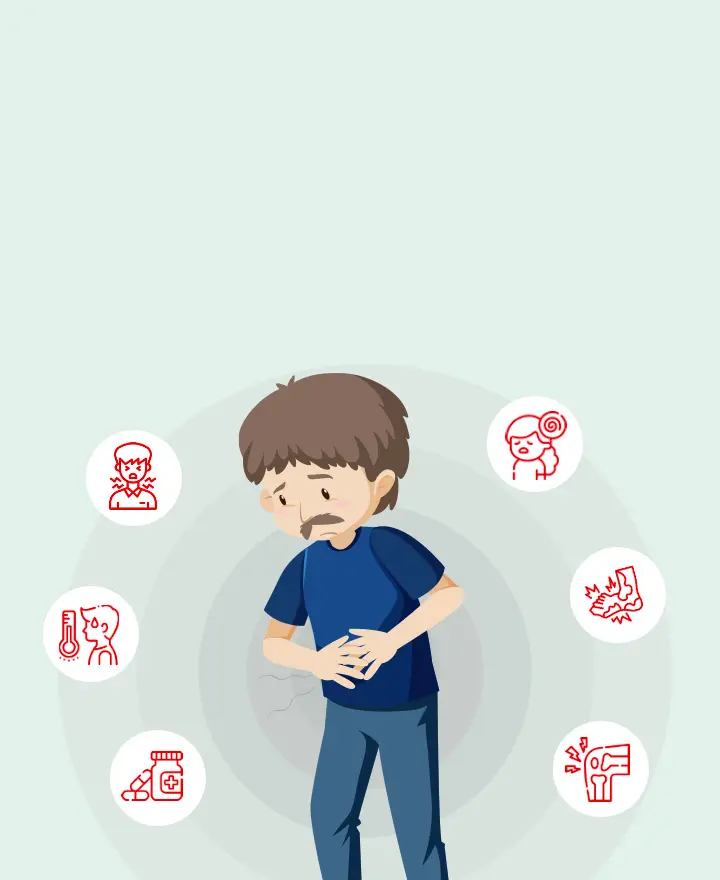
- Frequent Colds or Infections: If you catch more than four colds a year, or if each minor illness lasts an unusually long time, this may be a sign of low immunity.
- Slow Wound Healing: The body’s ability to repair itself depends on the immune system, and slower healing indicates weakened defenses.
- Chronic Fatigue: Immune system abnormalities can cause the body to operate in a low-fat mode, resulting in a massive drain of energy.
- Digestive Problems: More than 70% of immune cells are found in the intestines. Constipation, diarrhea, or frequent gastrointestinal distress may indicate impaired intestinal immune function.
- Recurring Allergies or Skin Problems: The skin is part of the immune defense, and being prone to allergies or problems such as eczema may also suggest an abnormal defense system.
10 Scientifically Proven Ways to Boost Your Immunity
The next 10 methods to be introduced are effective strategies that have been validated by medical research and cover a wide range of areas, including diet, work and rest, and mental adjustment. They are not difficult to implement consistently and can significantly increase the activity of immune cells, making your body more grounded and resilient in fighting off disease.
1. A Balanced Diet with Immuno-Essential Nutrients
Food is the fuel bank of the immune system. Lack of nutrients can lead to a decrease in the number of white blood cells, insufficient antibody production, and lower body defenses.
✅ Key Nutrients to Consume:
- Vitamin C (citrus, strawberries, bell peppers): promotes white blood cell production and improves resistance to infection.
- Vitamin D (salmon, egg yolks, sun exposure): regulates immune cell activity; susceptible to respiratory diseases when deficient.
- Zinc (shellfish, nuts, beans): supports T-cell function; people with zinc deficiency catch colds more often.
Practical Advice: Consume at least 5 different colors of fruits and vegetables every day to ensure a diversity of antioxidants, and supplement with nuts and whole grains in moderation to maintain a healthy intestinal flora.
2. Get Enough Sleep to Repair the Body’s Defenses.
Sleep is the “repair phase” of the immune system. During the deep sleep phase, the body releases cytokines that help fight inflammation and infection. People who do not get enough sleep (<6 hours per night) are 4 times more likely to get a cold than those who sleep normally.
Practical Tips:
- Set a regular bedtime each day to ensure 7-9 hours of quality sleep.
- Turn off electronic devices. 1 hour before bedtime to avoid blue light interfering with melatonin production.
- If you have trouble falling asleep at night, try taking a hot bath or doing 5 minutes of deep breathing.
3. Regular Exercise Activates Immune Cell Activity

Moderate exercise increases the activity of white blood cells and natural killer cells (NK cells) and strengthens the immune defense. However, you should be aware that over-exercise can suppress the immune system.
Recommended amount of exercise: At least 150 minutes of moderate-intensity aerobic exercise (brisk walking, cycling, swimming) per week.
Practical Advice:
- 10 minutes of stretching or yoga every morning to help wake up the immune system.
- Take a 15-minute brisk walk after your lunch break to improve blood circulation and reduce the dangers of being sedentary.
4. Managing Stress to Avoid Immune System Imbalances
Chronic stress can keep cortisol levels high, weakening immune cell activity and increasing the risk of infection.
Practical Ways:
- Set aside 15 minutes of distraction-free time each day to meditate, breathe deeply, or listen to soft music.
- Try keeping a journal and writing down negative emotions to help your brain offload stress.
- Socialize regularly and keep in touch with family and friends; positive emotions are themselves good medicine for immunity.
5. Supplementation of Probiotics to Strengthen Intestinal Defense
The gut is known as the second brain and an important part of the immune system. Healthy intestinal flora can activate the immune response and prevent the invasion of harmful bacteria.
Suggested Intake Foods:
- Probiotic-rich fermented foods such as yogurt, kimchi, and natto.
- Foods rich in dietary fiber (oats, apples, beans) that act as prebiotics.
6. Maintaining Good Hygiene Practices to Prevent Invasion of Infection Sources
Good personal hygiene is the first line of defense against disease, so we need to minimize the chances of pathogens entering our bodies. It is even more necessary to focus on this during flu season or epidemics.
Key Practices:
- Wash Hands Diligently: Wash your hands with soap and running water for at least 20 seconds, especially when returning from a night out, before eating, and after using the toilet.
- Avoid Touching Your Eyes: Mouth and Nose with Your Hands: Germs can enter your body through these routes.
- Regularly Clean Your Living Environment: Especially objects with a high frequency of contact, such as doorknobs and cell phones.
Tip: Carrying an alcohol-based hand sanitizer with you to use when you can’t wash your hands with water outside can greatly reduce the risk of spreading germs.
7. Stay Well Hydrated to Support Immune Cell Functioning
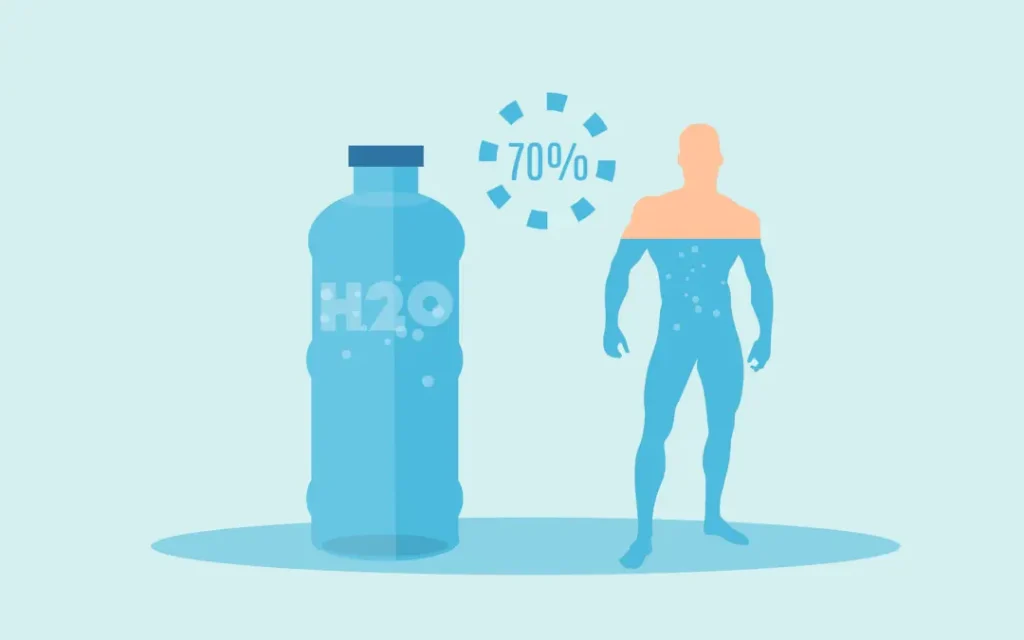
Water is the source of life that keeps the immune system functioning efficiently. Adequate hydration can:
- Keep the mucous membranes of the respiratory tract moist, which helps fight off pathogens.
- Promote blood circulation so that immune cells can quickly reach the site of infection.
- Help the kidneys excrete metabolic wastes, reducing the burden on the immune system.
Adults should drink at least 1.5 to 2 liters of water per day, with moderate increases for exercise, heavy sweating, or hot weather.
Practical Tips:
- Make it a habit to drink a glass of warm water when you wake up.
- Keep a glass of water handy to avoid prolonged periods without drinking.
- Drink herbal teas (e.g., chamomile, peppermint tea) in moderation, both for hydration and antioxidant effects.
8 Limit Alcohol Intake to Avoid Immune System Compromise
Excessive alcohol intake suppresses the functioning of the immune system, reducing white blood cell activity and antibody production, thereby increasing the risk of infection and inflammation.
Excessive drinkers are significantly more likely to develop pneumonia, tuberculosis, and other infectious diseases.
Recommendations:
- If drinking alcohol, it is recommended to follow the low-risk drinking principle: no more than 2 drinks per day for men and no more than 1 drink per day for women (in standard cups).
- It is best to choose an alcohol-free day to give your body time to recover.
- Replacing high-sugar, high-alcohol drinks with sugar-free fruit juices or sparkling water is more healthful.
- By reducing alcohol intake, you can keep your immune system’s defenses sharper.
9 Healthy Weight Management to Avoid Immune Compromise

Being overweight or obese leads to a state of chronic inflammation, which increases the burden on the immune system and makes its response to foreign pathogens less efficient. Obese people also have lower T-cell and natural killer cell activity, making them susceptible to diseases such as influenza.
Action Guide:
- Eat a balanced diet: Eat more fruits and vegetables, whole grains, lean meats, and healthy fats, and avoid high-sugar, high-fat processed foods.
- Increase your activity level: Get at least 30 minutes of moderate-intensity exercise (e.g., brisk walking, swimming, or cycling) every day.
- Set small goals: e.g., lose 1 to 2 kilograms per month to avoid the immune system decline caused by intense dieting.
Tip: Losing weight too quickly may weaken your immunity, so you’d better establish long-term healthy habits.
10. Regular Health Checks to Detect Underlying Problems in A Timely Manner
Decreased immunity is sometimes a sign of underlying diseases, such as diabetes, thyroid abnormalities, and vitamin D deficiency. Without regular checkups, it is difficult to detect these hidden problems. Early detection of problems can lead to timely intervention and reduce long-term damage to the immune system.
Moreover, monitoring key indicators (e.g., white blood cell counts, vitamin levels, and blood sugar) helps to adjust lifestyle habits and diet.
Recommendation:
- Undergo a comprehensive medical checkup every year, paying special attention to immune system-related indicators.
- High-risk groups (e.g., people with chronic diseases and the elderly) can undergo specialized tests under the guidance of a doctor.
Conclusion
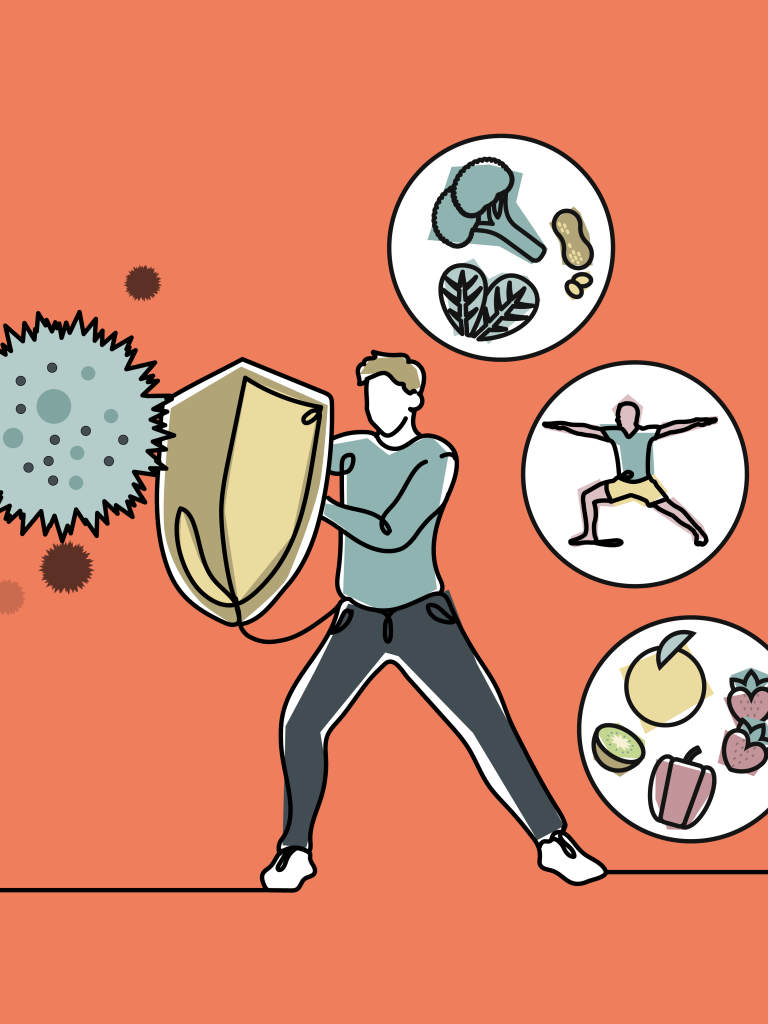
The immune system is our first line of defense against disease. With the 10 proven methods shared in this article, including a balanced diet, regular routine, and moderate exercise, you can effectively boost your immune system and make your body more resilient in the face of external assaults. Remember, health starts with every choice you make in life. Start making adjustments now so that your immune system is ready for better health.