It is important for somebody to improve mood. Low mood is a common psychological condition. It can be triggered by stress, fatigue, negative events, or physiological factors such as hormonal changes and lack of sleep. Chronic low mood can affect quality of life and even lead to anxiety or depression.
Scientific research shows that mood can be managed through behavioral interventions, cognitive adjustments, and physiological adjustments. This article will introduce five quick ways to improve your mood and help you quickly adjust when you’re feeling down.
1. Exercise
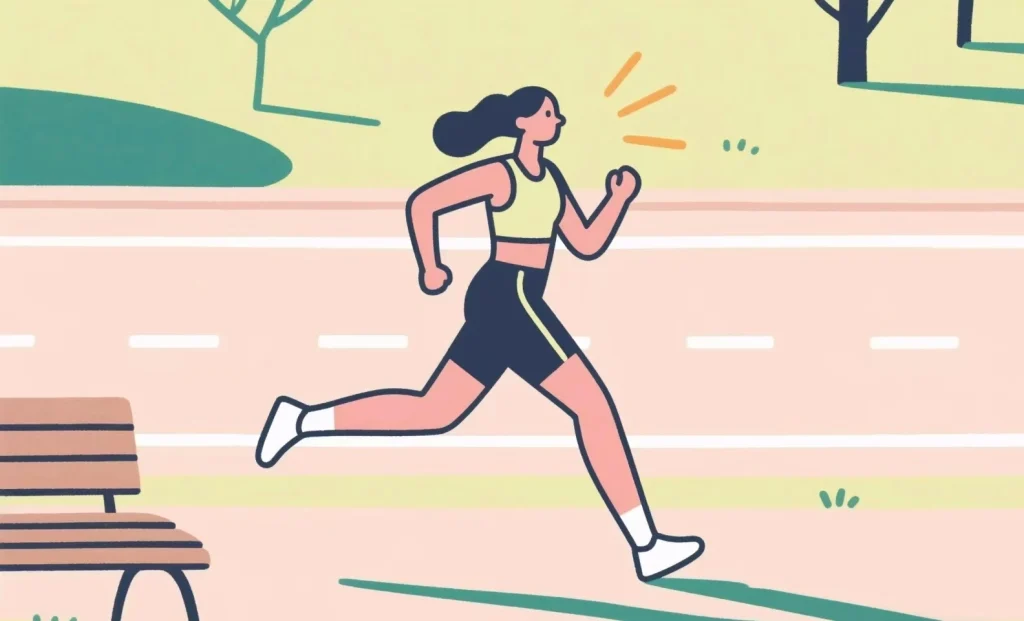
When you exercise, your brain releases endorphins, dopamine, and serotonin. These neurotransmitters are natural enemies of low mood, effectively relieving anxiety and enhancing feelings of happiness.
Effective exercise methods include brisk walking, running, swimming, yoga, etc.
Persistent aerobic exercise such as brisk walking, running, and swimming for about 20 minutes can improve your mood. High-intensity interval training is also an effective method. HIIT is a type of exercise that combines high-intensity training with interval training. It involves alternating exercise sessions in a high-intensity, low-intensity, high-intensity, and low-intensity pattern. For example, before running, warm up for 5 to 10 minutes until you’re slightly sweaty. Then, perform a high-intensity sprint of about 20 seconds. After the sprint, pause for a minute of jogging or brisk walking. This type of exercise can effectively stimulate dopamine secretion in a short period of time.
If you’re not interested in tiring exercise, you can opt for a relaxing workout like yoga or tai chi. Both of these exercises incorporate breathing techniques to help relieve tension. If you don’t have much free time for exercise, setting aside time for a 10-minute walk can significantly improve mood.
2. Light Therapy
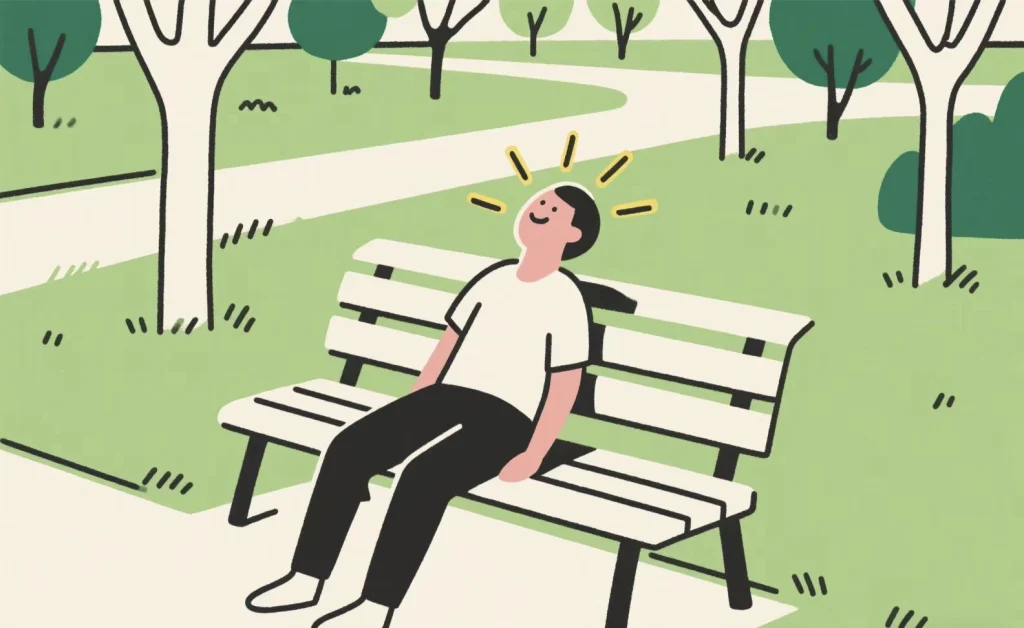
Sunlight not only helps the body synthesize vitamin D but also improves mood and sleep by regulating melatonin and serotonin levels. A Harvard Medical School study found that people who regularly get sunlight have significantly lower rates of depressive symptoms than those who chronically lack sunlight. Everyone should get at least 15-30 minutes of natural sunlight daily. This can include a morning run, sunbathing on a balcony, or even enjoying a cup of coffee outdoors.
If you’re stressed out at work or school, or if the weather is consistently inclement, consider using a light therapy lamp. Light therapy, among other treatments, can improve mood through exposure to intense light of specific wavelengths. It is particularly effective for seasonal affective disorder and depression. Its mechanism of action is to regulate melatonin secretion, increase serotonin levels, and reset the circadian rhythm by stimulating the retina. However, it’s important to use specialized light therapy equipment and maintain a distance of 30-50 cm. The optimal time for light therapy is between 6 and 8 a.m. Combined with a regular sleep and rest schedule, light therapy can act like “liquid sunshine” to improve mood.
3. Breathing Adjustment
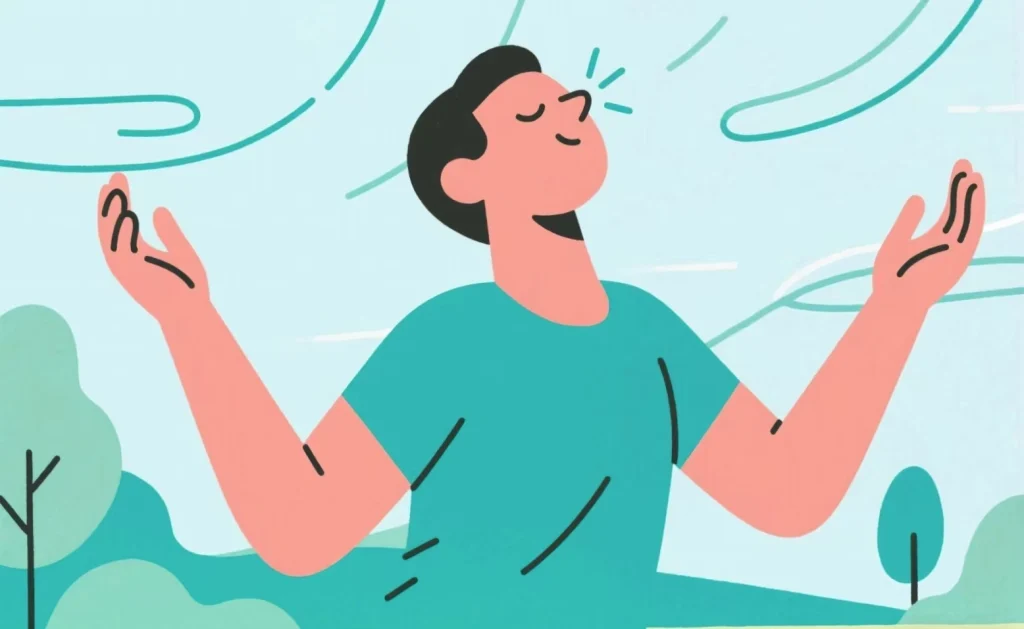
When you’re feeling down, your body goes into fight-or-flight mode. Your breathing becomes shallow, and your heart rate increases. This can further exacerbate feelings of anxiety and depression. However, deep breathing can activate the parasympathetic nervous system, helping your body relax.
The 4-7-8 breathing technique can significantly improve your low mood. Breathe in through your nose for four seconds, hold your breath for seven seconds, and finally, exhale slowly through your mouth for eight seconds. Repeat this three to five times, and you’ll see a stress-reducing effect within minutes. This technique slows your heart rate, stabilizes blood pressure, and promotes the release of GABA (a natural anxiolytic) in your brain. Practicing breathing exercises for 10 minutes a day is like practicing yoga for your emotions.
4. Music and Fragrance
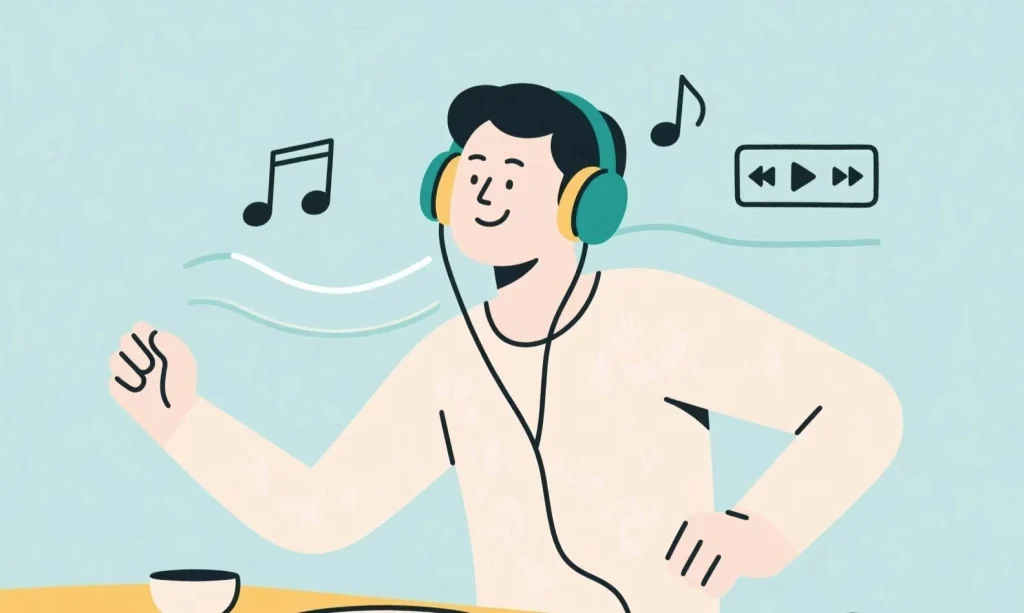
Music and smell are two of the sensory channels that most directly influence mood. Research from the University of Helsinki in Finland found that listening to favorite music can boost immunity and improve mood. Light, soothing music can effectively stimulate the release of dopamine in the brain.
Research from the National Association of Aromatherapy (NAHA) shows that certain essential oils can positively impact mood within minutes. Scents like citrus, lavender, and mint can enhance focus and relieve tension. When feeling down, listen to a few favorite songs on your phone or speakers and sing along. Slow music is best. Alternatively, place your favorite all-natural aromatherapy diffuser in your room or workspace. You can even combine the two for even greater results.
5. Adjust Your Diet
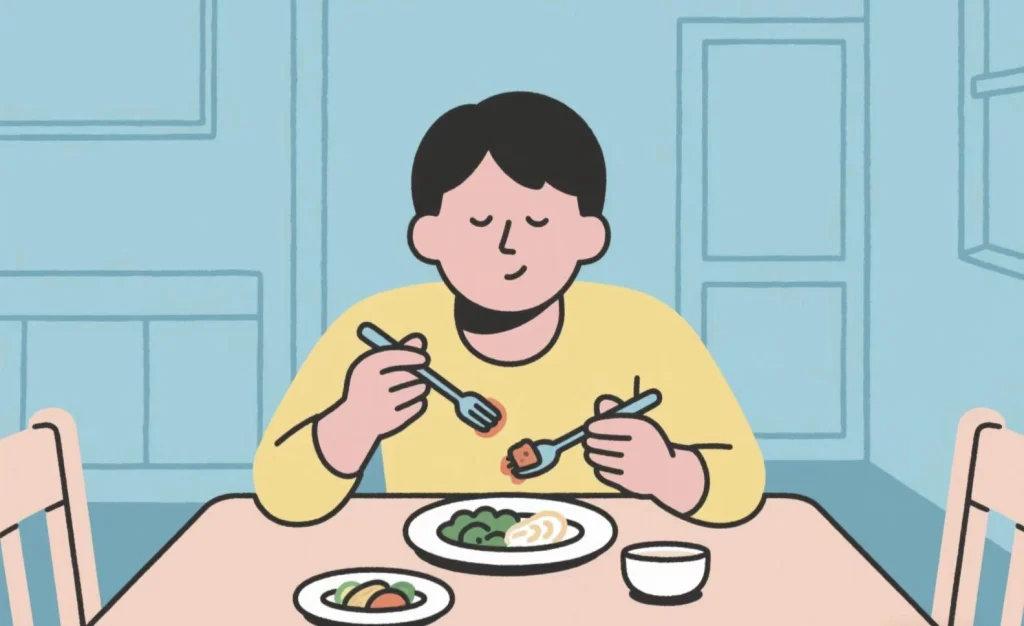
Food has a direct impact on mood. Gut microbes contribute to 90% of serotonin production. Certain nutrients, such as omega-3s, probiotics, and cocoa polyphenols, can reduce inflammation and regulate neurotransmitters. Refined sugars and trans fats, on the other hand, can exacerbate mood swings. Omega-3-rich foods, such as salmon and flaxseed, can reduce inflammation and improve brain function. Dark chocolate with a cocoa content of over 70% can boost serotonin production. While high-sugar foods can provide a brief boost, they can lead to more emotional distress after the effects wear off. Excessive caffeine intake can also exacerbate anxiety.
A “mood-optimizing diet” is recommended. This includes increasing omega-3 intake, supplementing with fermented foods, and maintaining stable blood sugar levels. While consuming these nutrients, avoid processed foods. This can both improve mood quickly and strengthen mental resilience over the long term.
Conclusion
Low moods are a natural human response to our experiences. Feeling down and struggling to adjust doesn’t mean you’re weak or a failure. The key is to learn scientific methods to manage them. Exercise, lighting, breathing techniques, music and aromatherapy, and dietary adjustments are all simple ways to adjust your mood. Remember, adjusting your mood is like tuning an FM radio; different methods are like different tuning buttons. With the right method, there’s always a way to find your “good tune.” However, if low moods become uncontrollable or interfere with daily life, or even worsen, it’s crucial to seek help from a professional counselor or psychologist.