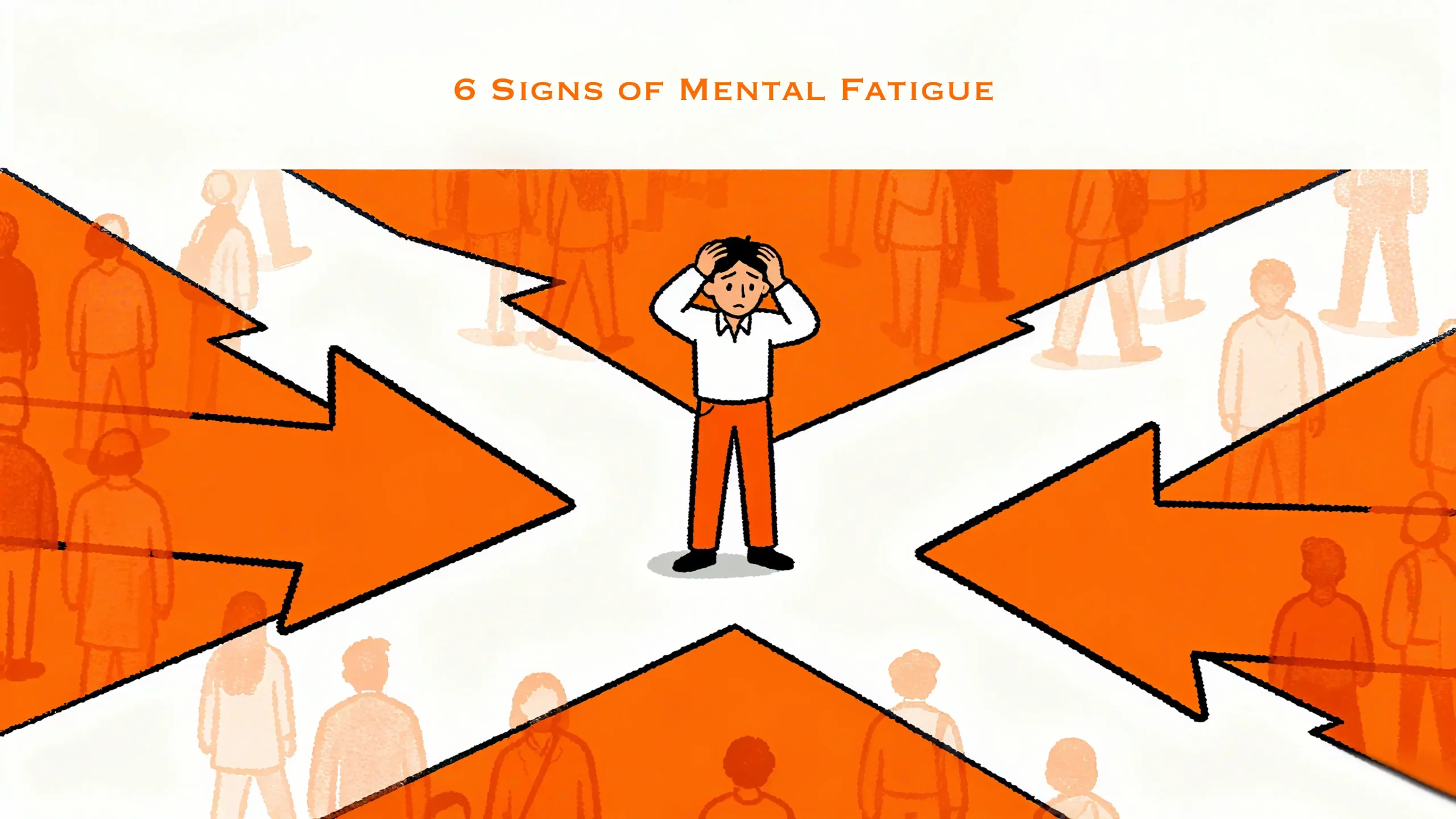
In the fast-paced world of modern life, mental fatigue is like an invisible killer. It quietly affects our physical and mental health and quality of life. Unlike physical fatigue, it’s often easily detected and manifests itself through subtle signals. Understanding these signals can help us identify and address mental fatigue promptly and restore a relaxed and joyful state of mind.
Emotional Exhaustion
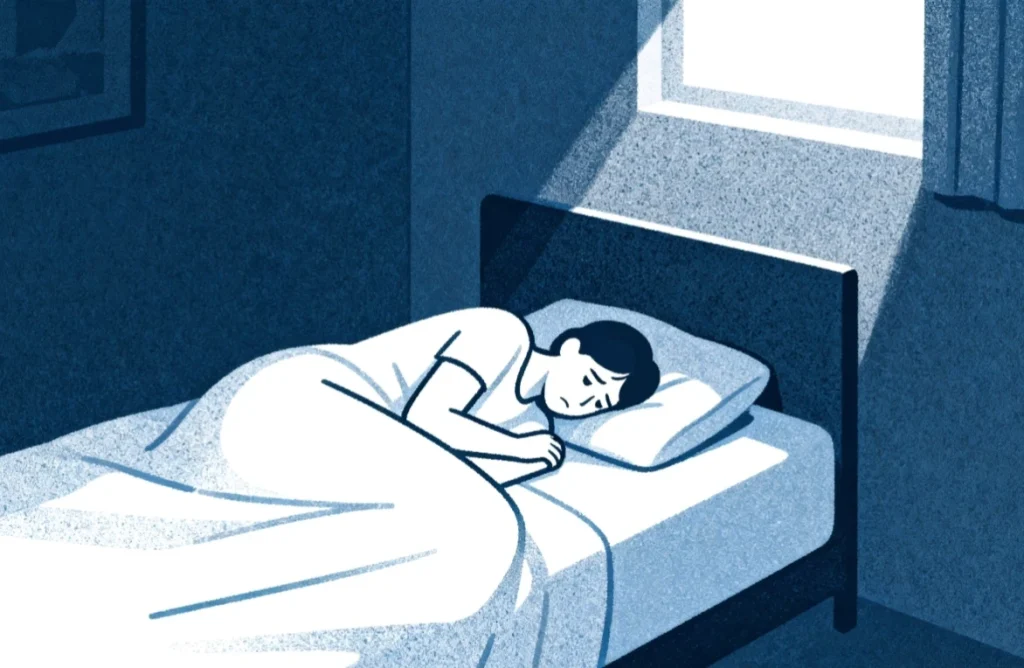
Persistent emotional exhaustion is one of the main characteristics of mental fatigue. It’s far more than just ordinary fatigue; it’s a deep, visceral exhaustion, a silent “tsunami” sweeping through your emotional world. Do you often feel drained of energy even after a good night’s sleep or a weekend of rest? Your emotional regulation system seems to have “short-circuited.” This manifests as irritability, inexplicable sadness and tears, or a persistent state of emotional numbness and repression. Furthermore, you may find it difficult to find interest in anything, as if a layer of glass separates you from the world.
This state often stems from chronic, one-sided overspending on emotional resources. Perhaps you’re constantly facing high-pressure targets and complex interpersonal relationships at work. Or perhaps you’re a meticulous caregiver, silently shouldering the expectations and responsibilities of your family. This leaves you like a battery that’s constantly discharging without ever being recharged. Your empathy, patience, and enthusiasm are gradually drained away until only an “emotional hole” remains within you. When emotional exhaustion sets in, it’s a strong warning sign that your inner ecosystem is seriously out of balance. Your mood can no longer be repaired simply by resting but requires a systematic “recharge” and rebuilding.
Loss of Interest
Loss of interest is a very obvious and alarming sign of mental fatigue. It causes you to gradually lose interest in things you once enjoyed. In more serious cases, you may even find a dull dislike for food or entertainment that once brought instant pleasure. For example, someone who once loved hanging out with friends may now repeatedly find excuses to decline invitations. Or someone who loves food may now find themselves uninterested in eating.
This change is caused by a weakening of the brain’s reward system. Chronic mental exertion drains your energy. This makes it difficult for the brain to produce sufficient dopamine for these activities, leading to a loss of pleasure. You intellectually recognize that these activities once brought you joy, but you no longer connect with them emotionally. If this condition persists and interferes with your daily life, it requires your utmost attention and proactive intervention.
Physical Discomfort
Mental fatigue often translates into physical symptoms. The body sends out powerful distress signals through various discomforts. Besides the common unexplained headaches, gastrointestinal discomfort, and persistent muscle tension, sleep disturbances and significant changes in appetite are also typical manifestations. Medical examinations for these symptoms often reveal no clear organic cause. This doesn’t mean the pain is false.
The root cause lies in the autonomic nervous system dysfunction caused by chronic stress and anxiety. It acts like a dysfunctional internal command system, disrupting the normal rhythms of the heartbeat, breathing, digestion, and muscles. For example, you might experience sudden, unexplained soreness and stiffness in your shoulders, neck, and back. These aren’t caused by any sports injury or trauma. Rather, they’re your body’s most direct way of communicating that your mind is overloaded. It’s straining its resources just to keep functioning.
Cognitive Decline
When mental fatigue accumulates to a certain level, your brain automatically enters an inefficient “energy-saving mode.” Like a computer running low on power, all advanced computing functions begin to slow and lag. This isn’t a decline in intelligence but rather a temporary depletion of cognitive resources. The core manifestation is difficulty concentrating. You might read a passage, scanning several lines without understanding the meaning. During a work meeting, your mind wanders, requiring others to repeat questions. This is accompanied by a significant decline in memory. For example, you often forget what you’ve just said or repeatedly search for keys you just held in your hand.

A more serious impact is a complete impairment of executive function. The prefrontal cortex, the brain’s “chief commander” for complex thinking, decision-making, and planning, becomes depleted due to chronic overload. This causes you to hesitate even when faced with tasks that used to be easy. Multitasking becomes a struggle, and your logical thinking skills seem to rust. Once efficient workflows become difficult, learning new skills or knowledge can feel like your brain is rejecting you. This cognitive inability is one of the clearest warning signs of mental fatigue, telling you that your brain is severely overloaded and urgently needs deep rest and repair.
Social Avoidance
When mentally exhausted, social avoidance becomes a subconscious self-protection strategy. You find yourself actively “cutting off.” You start finding excuses to decline friends’ invitations to get-togethers. You go silent on social media. You tend to respond to small talk from colleagues or family members with brief, succinct responses. This isn’t apathy or arrogance but rather a sign of an inability to sustain any additional social energy.
This brief period of “social hibernation” is meant to provide inner breathing space. However, if it persists for a long time, self-protection can degenerate into self-isolation. Healthy solitude can restore energy, but passive social avoidance cuts off sources of support, like moving a plant that needs sunlight into a dark room.
Not only do you fail to recharge effectively, but the lack of positive emotional interaction and social support fuels feelings of loneliness and alienation. This can lead to a vicious cycle where “the more tired you are, the less you want to socialize, and the less you socialize, the more lonely and exhausted you feel.” Therefore, long-term social avoidance is not a cure but rather a catalyst for worsening mental fatigue.
Frequent Negative Thoughts
When you’re mentally fatigued, your thought patterns may subtly shift. It’s like you’ve installed a “radio” in your mind that automatically plays negative content. Even when the outside world is calm and you’re doing nothing, a flood of negative thoughts will flood your mind uncontrollably. “There’s never enough work to do, and all the effort is in vain.” “I’ll never be able to do anything well, and I’ll disappoint everyone.” “Problems are only piling up, and I don’t see a way out.”
This isn’t just a simple bad mood; it’s a sign of falling into a cognitive trap known as “rumination.” Just like an animal chews its food, you chew these negative thoughts over and over again. Each negative thought secretly drains your already depleted mental energy. Even more problematic, this negative thinking distorts your objective perception of reality, causing you to focus solely on failures and difficulties while filtering out positive and neutral information.
As a result, you’re trapped in an ever-deepening “dark vortex.” The more you try to think your way out of your predicament, the more your thoughts become entangled. Identifying and breaking this cycle of overthinking is a key step toward overcoming mental fatigue.
Conclusion
While mental fatigue is common, it’s not insurmountable. When these signs appear, we can alleviate them by adjusting our lifestyle, such as arranging proper rest, exercising moderately, and cultivating hobbies. If symptoms are severe, it’s wise to seek help from a professional psychologist or doctor. Paying attention to the signs of mental fatigue means focusing on our mental health, allowing us to live more fulfilled lives.