
1. Definition of Deep Sleep
Deep sleep is part of the sleep cycle and is also known as slow wave sleep (SWS). At this stage, both the brain and body are in a low-activity state.

If you have a sleep app on your smartphone, you will find that during deep sleep, your heartbeat, breathing, and brain waves are actually at the lowest level. During this time, the body focuses on secreting growth hormones to repair tissues and cells, while also supporting muscle and bone growth.
Deep sleep usually occurs in the first half of the night, accounting for 15%-25% of the total sleep time. Deep sleep is also the most difficult sleep stage to wake up from. If you are woken up at this stage, your head will usually feel groggy.
2. The impact of deep sleep

Generally speaking, the more deep sleep you get, the more energetic you will feel when you wake up, otherwise you will feel tired. It can also easily lead to problems such as sleepwalking, night terrors(A state of shock and half-awakeness), nocturnal eating and bed-wetting.
If you don’t get enough deep sleep, you may still feel tired, have trouble concentrating, experience mood swings, and even have an increased appetite — even if you sleep eight hours a day. Chronic lack of deep sleep may also lead to:
- Reduced immunity, more susceptible to colds or illnesses;
- Metabolic disorders, which can easily lead to weight gain;
- Memory loss and slow reaction;
- Increased mental stress, anxiety and irritability.
Deep sleep is a critical process for the brain to process daily information. If you don’t get enough deep sleep, the information you receive during the day will be difficult to enter your memory. This is an important reason why poor sleep quality will lead to poor memory.
3. The role of deep sleep
When we enter deep sleep, glucose metabolism in the brain becomes more active, helping us build short-term and long-term memories and enhancing the results of what we’ve learned during the day.
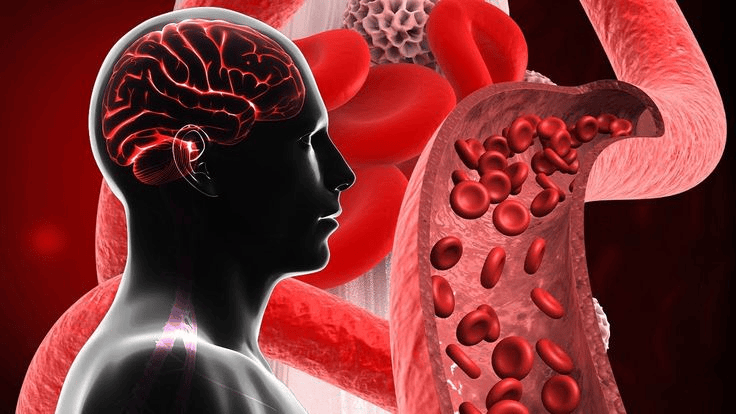
Deep sleep is essential for body and brain repair and has several key functions:
- Body repair and immune system strengthening
During deep sleep, the secretion of growth hormone reaches its peak, which helps with cell repair, muscle growth and tissue renewal, while also enhancing immune function and fighting foreign pathogens.
- Removes metabolic waste from the brain
Deep sleep helps clear metabolic waste from the brain, which is essential for maintaining a healthy nervous system.
- Reduces Risk of Disease
Deep sleep is associated with a lower risk of a variety of diseases, such as heart disease, diabetes, and Alzheimer’s disease.
- Stabilize mood and improve memory
Deep sleep can regulate emotions and reduce the incidence of anxiety and depression. It also consolidates newly acquired information and skills, making it an essential stage for learning and memory.
Related Reading: