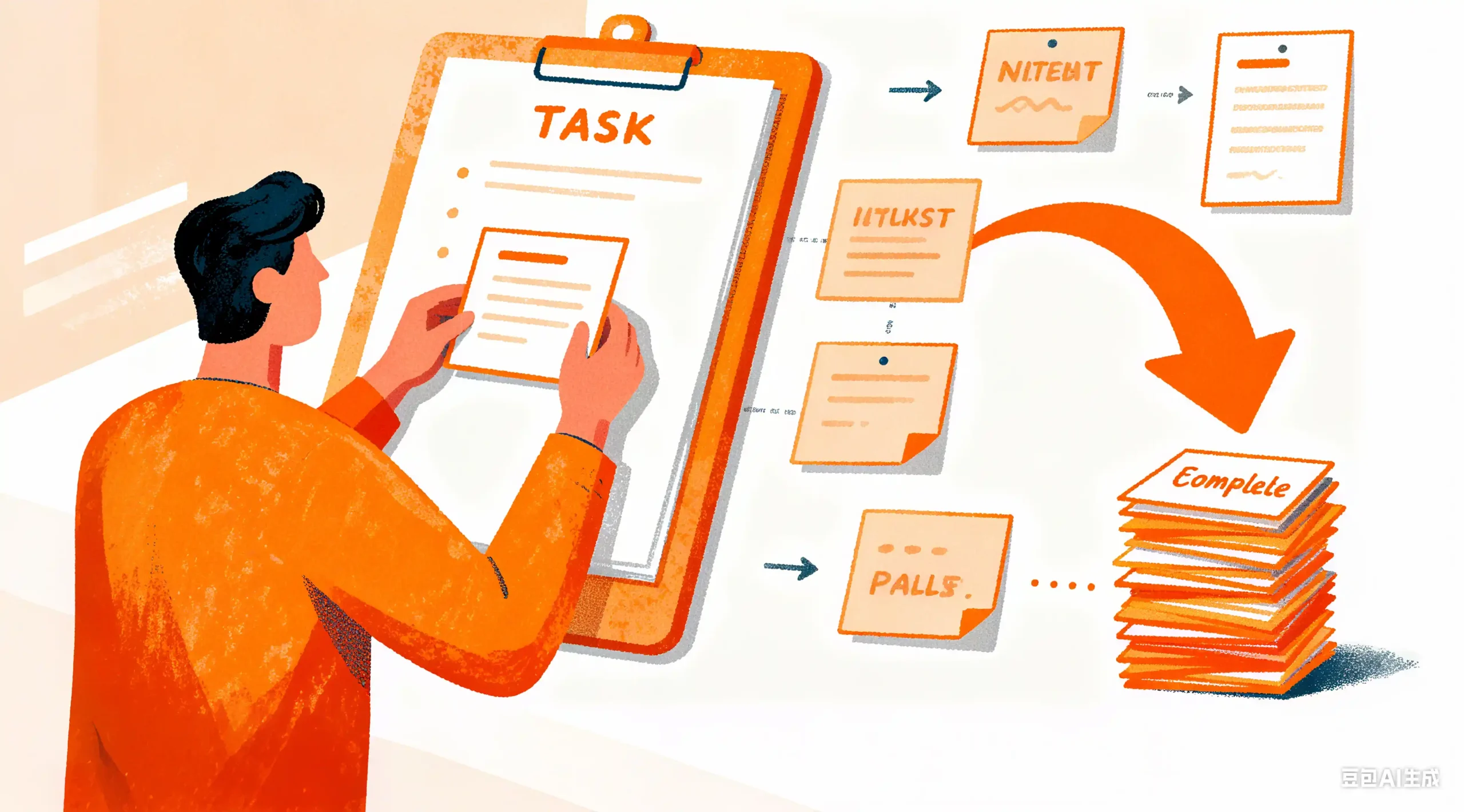
“It’s okay to put it off for a bit.” “I can still do it tomorrow.” “There’s still plenty of time.” Do these thoughts frequently cross your mind? This is a classic sign of procrastination.
Procrastination isn’t simply laziness; it’s a complex issue involving psychology, behavior, and time management. Chronic procrastination can lead to a backlog of tasks, heightened anxiety, and even negatively impact work efficiency and quality of life. To overcome procrastination, you must first understand its causes and then gradually adapt using scientific methods to make timely action a habit.
1. Causes of Procrastination
Many people attribute procrastination to “lack of self-control,” but there’s actually a deeper psychological logic behind it. Only by identifying the root causes can we better address them. First, there are psychological factors.
When faced with a difficult and stressful task, such as writing a complex report or preparing for an important exam, the brain instinctively avoids the risk of failure. So, people turn to relaxing activities like browsing their phones or watching TV series to distract themselves. Over time, this creates a procrastination habit of “avoiding it first, then worrying about it later.”
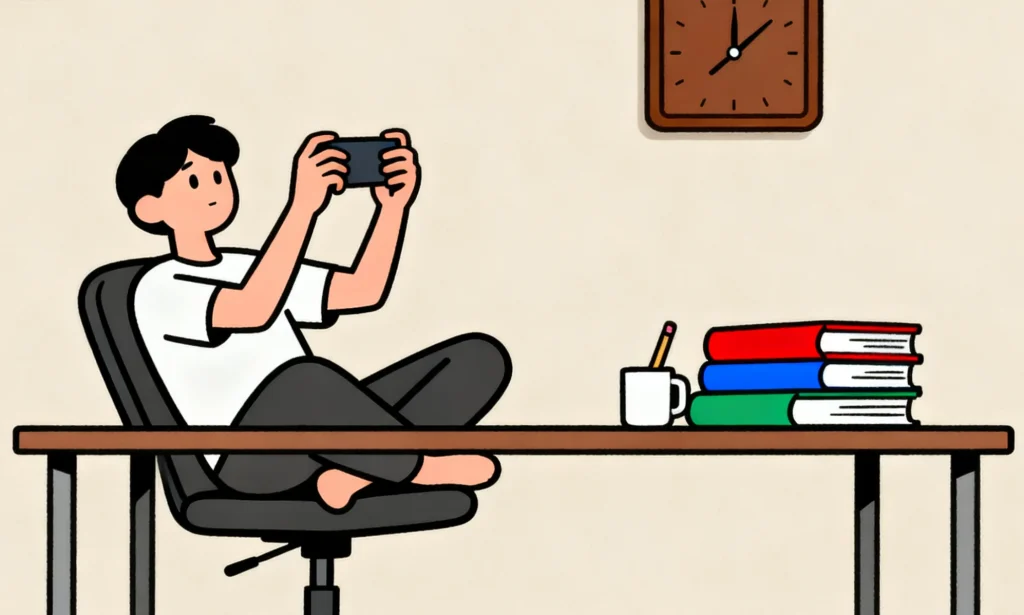
Second, there’s the “ability factor.” Some people always want to “do it right the first time.” Fearing they won’t achieve their expectations, they hesitate to take action. For example, when writing an article, they might struggle to write a single sentence after a long time, ultimately putting the task aside.
Finally, there are “environmental factors.” For example, being in a noisy or distracting environment makes it difficult for most people to work or think. Or perhaps someone has been criticized and blamed by others before, making it impossible to start something. Because once you start, you immediately think back to the bad feeling you had when you were rejected.
2. Methods for Overcoming Procrastination
Solving procrastination doesn’t require a complete “all-at-once” solution. Start with simple, small steps and then gradually build action habits to make your actions more effective.
Task Breakdown
When faced with complex tasks, feeling overwhelmed is a major cause of procrastination. Break down tasks into “minimal action units.” For example, break “writing a 1,000-word article” into “collecting three case studies,” “writing a 200-word introduction,” and “organizing five core points.” Each small task should take no more than 30 minutes. This “fragmented” approach can reduce psychological stress. Every time you complete a small task, you’ll feel a sense of accomplishment, which will make you more willing to move on to the next one. This creates a virtuous cycle of “action and positive feedback.”
The Pomodoro Technique
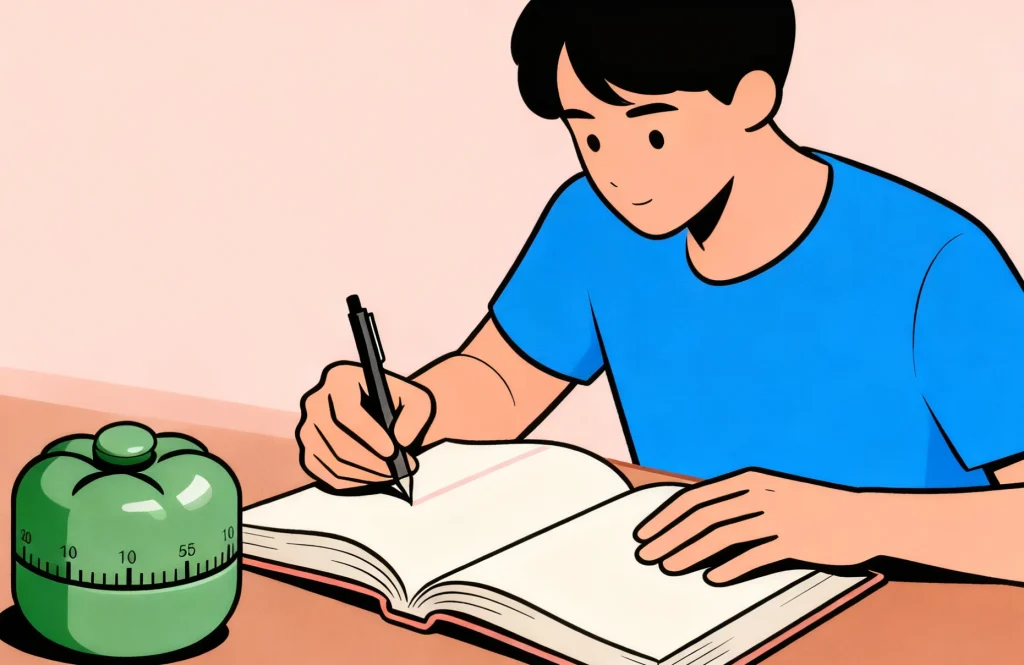
Procrastination is often linked to a lack of time management. The Pomodoro Technique can help you establish clearer time boundaries. The steps are simple. You set a 25-minute Pomodoro. Focus on one task during these 25 minutes. No checking your phone, replying to messages, etc. Take a 5-minute break after each Pomodoro. After completing four Pomodoros, take another 20-30-minute break. These “short bursts of focus followed by timely breaks” can alleviate fatigue from long workdays. The anxiety of time running out will force you to quickly get back into work and study mode.
Practice in A Positive Environment
Environmental distractions can be procrastination boosters. For example, having a phone next to your desk can make it hard to keep unlocking it. Time spent on your phone often flies by. Hours can slip by unnoticed. Also, being surrounded by noisy people or loud broadcasts can make it difficult to concentrate.
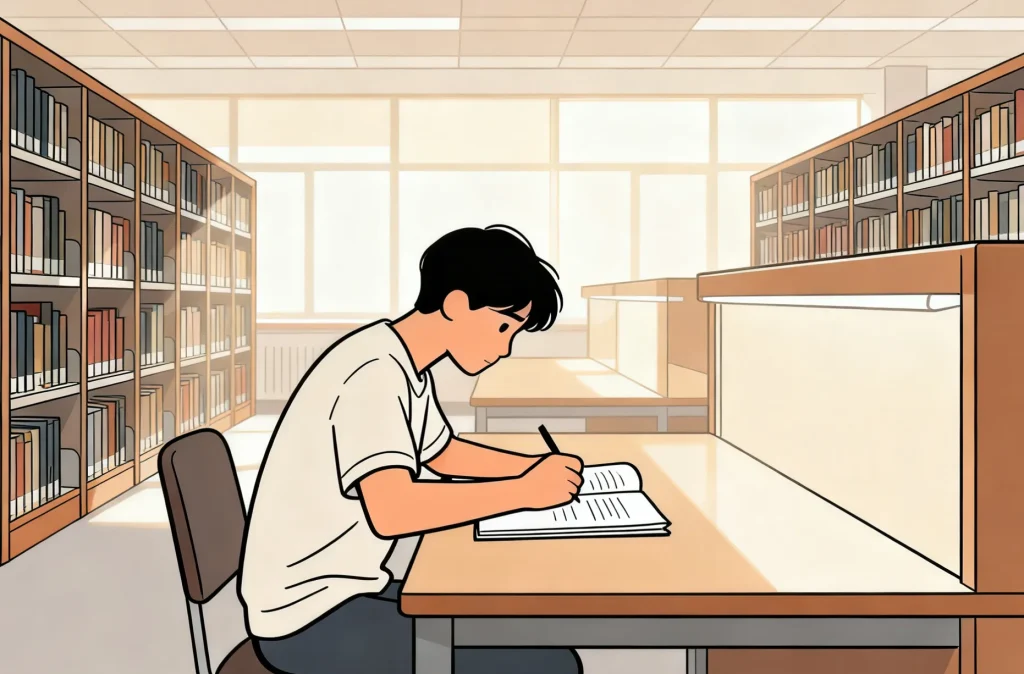
To reduce procrastination, you need to optimize your environment. Remember this: if you can’t resist temptation, then avoid it. When you start working or studying, put your phone in “focus mode” or put it away. Use a paper notebook to keep track of your to-do list instead of relying on your phone. A clean workspace is also essential. Clean your desk until only the items you need for the task at hand are left. For example, when writing a report, keep only your laptop, documents, and pens. If you’re easily distracted at home, consider going to a library, cafe, or other place with a strong learning atmosphere. Using the “constraint” of the environment can also help boost your motivation.
Timely Review and Adjustment
Changing procrastination isn’t something you can do overnight. It requires regular review and timely adjustments. Every night before bed, take a few minutes to review your day: Which tasks were completed on time? Which tasks were delayed? What caused the procrastination? Is it because the task was too difficult, distractions arose, or you simply weren’t focused enough? Then, based on the results of this review, optimize your plans for the next day. For example, schedule difficult tasks in the morning when you’re most energetic. Use distraction-prone times for simple tasks. Also, set yourself small rewards, such as watching an episode of your favorite show or enjoying a delicious meal after completing your daily tasks. Use positive motivation to make not procrastinating a habit worth sticking to.
3. Common Misconceptions About Overcoming Procrastination
Many people easily fall into misconceptions when battling procrastination. This can actually make procrastination worse. So, be aware of the following two common misconceptions.
First, excessive self-blame. Some people, after procrastinating, repeatedly blame themselves for being “useless” or having “poor self-control.” This negative emotion further reduces motivation and creates a vicious cycle of “procrastination-self-blame-more procrastination.” In fact, occasional procrastination is normal, and there’s no need to be overly critical of it. The key to overcoming procrastination is analyzing the causes and adjusting your approach, rather than dwelling on negative emotions.
Second, the pursuit of perfection. Some people spend countless hours crafting minute-by-minute plans, yet they never take action. They believe, “I can’t start until the plan is perfect.” In reality, even the most perfect plan requires concrete action to be realized. It’s better to start with simple actions and gradually refine your plan through practice. This is more meaningful than just empty talk.
Conclusion
Procrastination isn’t an incurable “illness.” It’s a behavioral habit that can be adjusted through scientific methods. From breaking down tasks and managing time to optimizing your environment and regularly reviewing your progress, each step can help you move further away from procrastination and closer to effective action. Remember, the key to change isn’t “achieving perfection all at once” but “making incremental progress every day.” When action becomes instinctive, procrastination will naturally disappear.