Social anxiety is a common psychological problem. It manifests as excessive nervousness in social situations, a fear of being judged, or a fear of embarrassment.
Many people avoid social activities as a result, impacting work, school, and interpersonal relationships. This article will provide some effective methods to help you gradually overcome social anxiety and build confidence.
1. What is Social Anxiety?
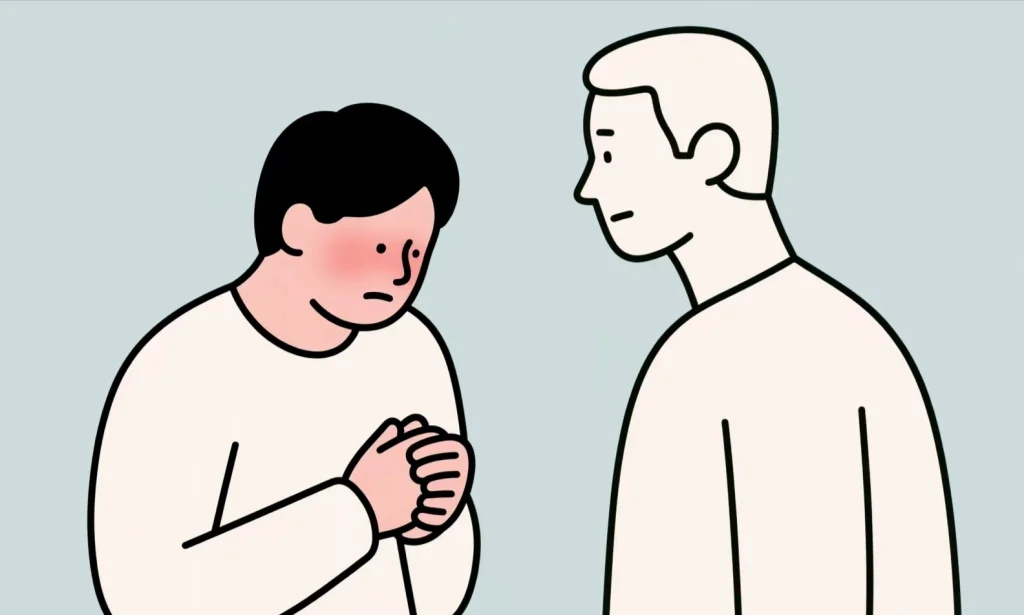
Social anxiety isn’t just shyness; it’s an intense fear of social interactions. Once social anxiety strikes, you may experience the following symptoms. Physically, you might experience a rapid heartbeat, shortness of breath, sweating, trembling hands or legs, and blushing. Psychologically, you might experience a fear of being laughed at, excessive self-doubt, and a tendency to assume the worst. Behavioral manifestations include avoiding social situations and becoming less talkative. In severe cases, you might even resort to alcohol and drugs.
While some introverts may exhibit similar symptoms, the two are fundamentally different. Introverts may prefer solitude but aren’t necessarily afraid of socializing. Meanwhile, even if someone with social anxiety craves socializing, they avoid it out of fear.
2. Causes of Social Anxiety
Understanding the causes of social anxiety can help you better address it. Social anxiety is a psychological condition, and its main causes include the following:
Genetic Factors
Parents or older relatives have similar symptoms. A family history of anxiety disorders may increase the risk of social anxiety symptoms. Research shows that social anxiety runs in families, and if a first-degree relative suffers from anxiety, the individual’s risk of developing the disorder may be several times higher. This is primarily related to variants in certain genes. These genes affect the regulation of serotonin and dopamine in the brain, leading to increased sensitivity of the amygdala to social threats. This ultimately increases the risk of hyperarousal and fear reactions.
Upbringing
Negative social experiences such as ridicule, bullying, or excessive criticism during childhood can reinforce a “social danger” mindset, leading individuals to associate interpersonal interactions with a sense of threat. An overprotective family environment is also harmful. It deprives children of opportunities to develop social skills, leading to difficulties coping with unfamiliar situations in adulthood. Furthermore, if parents exhibit social anxiety or avoidant behaviors, children may learn similar coping patterns through observation. A lack of positive social feedback in early childhood education can also undermine social confidence and foster the self-prophecy that “I will definitely not do well.”
Social Environment
The social environment plays a catalytic role in the development of social anxiety. The “perfect image” displayed on modern social media exacerbates social comparison pressure, making individuals more susceptible to the anxiety of being “scrutinized.”
Highly competitive educational and workplace environments exacerbate performance anxiety. Minor social missteps can be easily magnified. The internet has diminished interpersonal relationships. This leads many people to lack the development of basic social skills in real-life interactions. When forced into real social situations, these individuals experience a strong sense of loss of control and anxiety. The emphasis on “fitting in” in collectivist societies and the emphasis on “social performance” in individualistic societies both exacerbate social pressure in different ways.
3. How to Overcome Social Anxiety?
Cognitive Behavioral Therapy (CBT)
The first step in overcoming social anxiety is to change negative thinking. Social anxiety often stems from exaggerated or inaccurate cognitions. People with social anxiety often think, “Everyone is laughing at me.” “If I say or do something wrong, others will think I’m stupid.” “If I do this, others will be upset.”
CBT exercises can alleviate these symptoms. First, recall situations that trigger anxiety. Common scenarios include speaking in public or communicating with strangers. As you imagine these situations, carefully recall the details of the situation. Consider the question, “Is there any real evidence that others are laughing at me?” Most of the time, your perceptions of others’ dissatisfaction are nonexistent. Replace these fabricated beliefs with a more realistic perspective. Most people are more focused on themselves and don’t remember others’ minor missteps.
Graduated Exposure Therapy
Avoiding social interactions only reinforces anxiety. Gradual exposure can help desensitize and build tolerance for social behaviors. Start with challenging social behaviors that are less challenging. Choose a familiar person to engage in a long conversation. You can discuss their perceptions of you, etc. A moderately challenging social activity involves speaking at a small gathering. It doesn’t need to be long, as long as you can speak clearly and completely. Before speaking, you can mentally organize your speech and practice it silently. A more challenging activity involves public speaking or participating in large social events. These require a higher level of mental and social skills. Be well prepared beforehand. Practice deep breathing to reduce nervousness during the activity.
Improving Social Skills
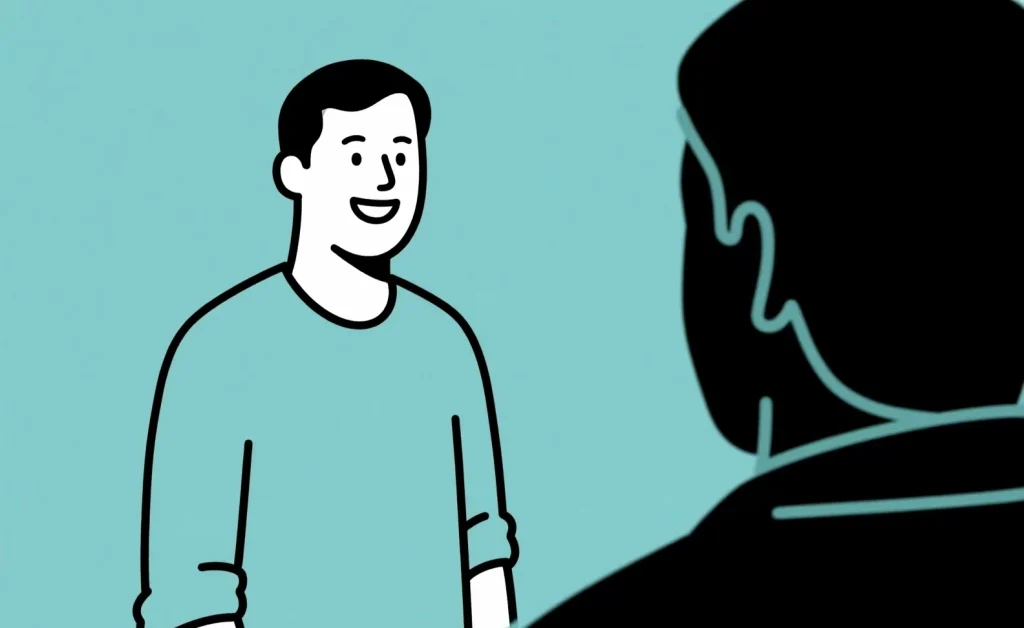
Social anxiety often stems from a sense of lack of control over the unknown. These can be alleviated through practice. Socializing is about exchanging and understanding information.
To keep the conversation going, you need to learn to ask the right questions. When asking questions, try to ask open-ended questions. For example, “What did you think of today’s program?” rather than “What did you think of the weather?” Being a good listener is also crucial in socializing. Look into someone’s eyes while they’re speaking. You don’t have to stare; brief eye contact is sufficient. Nod gently when you agree with someone’s point of view. Give a brief response when someone expresses their opinion or seeks a response. If you’re initially struggling to communicate with strangers, try role-playing a job interview or a party with a friend to simulate social situations.
Maintain A Healthy Lifestyle
Regular aerobic exercise can boost serotonin and improve focus. Also, reduce your caffeine and alcohol intake. Getting enough sleep is also an effective way to alleviate anxiety. Avoid constant self-reflection in your daily life. People with social anxiety often fall into a state of self-monitoring. To address this, meditate for 10 minutes daily, focusing on your breathing and body sensations. When anxiety arises, reassure yourself: “This is just a temporary emotion; it will pass.”
4. When is Professional Help Needed?
If social anxiety is seriously interfering with your life, it is recommended that you seek professional counseling and treatment, such as CBT therapy or group therapy.
5. Conlusion
Social anxiety can be managed. Through cognitive adjustments, exposure exercises, skill development, and healthy habits, you can gradually build social confidence. Small attempts today will build confidence tomorrow.