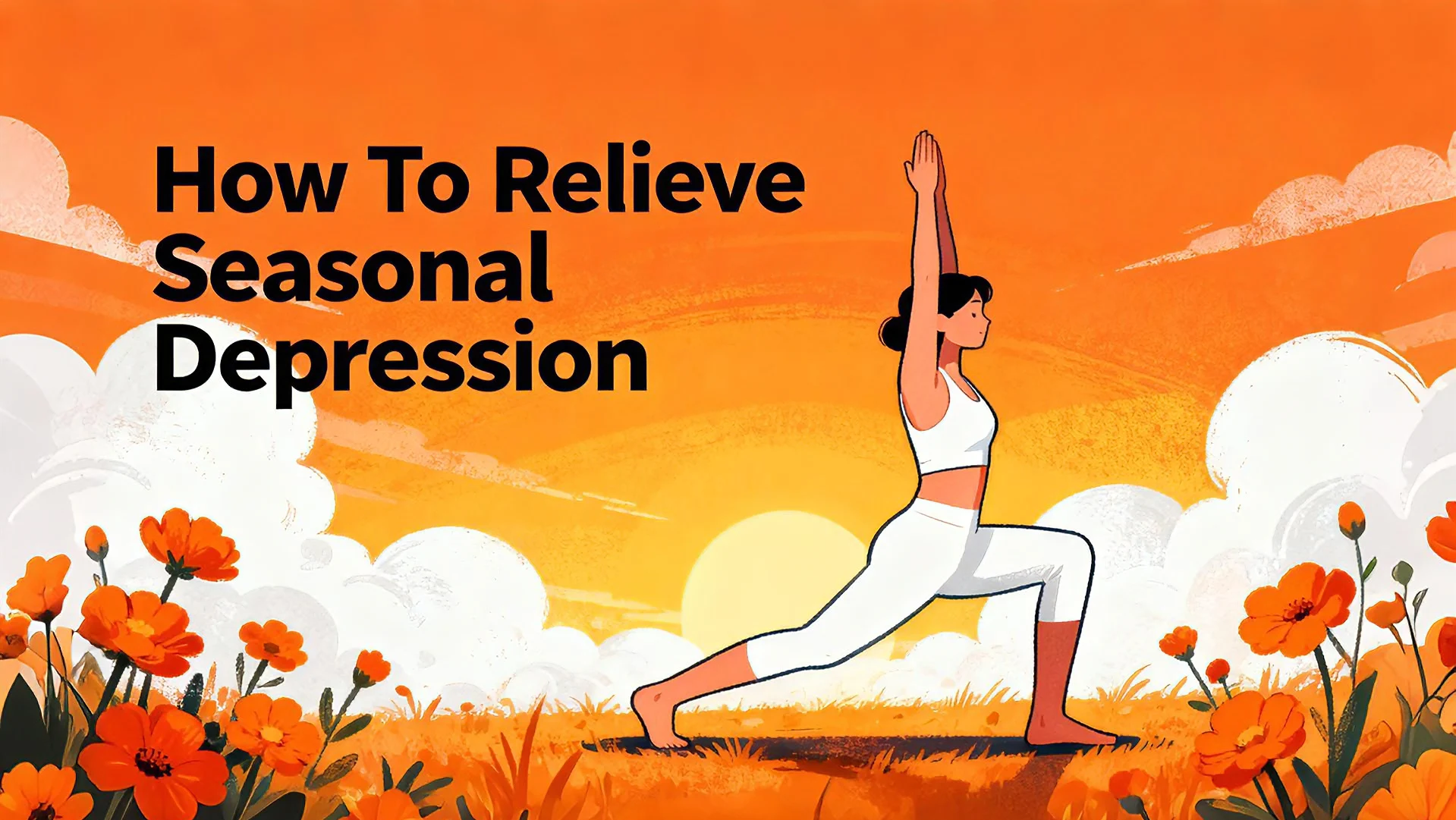
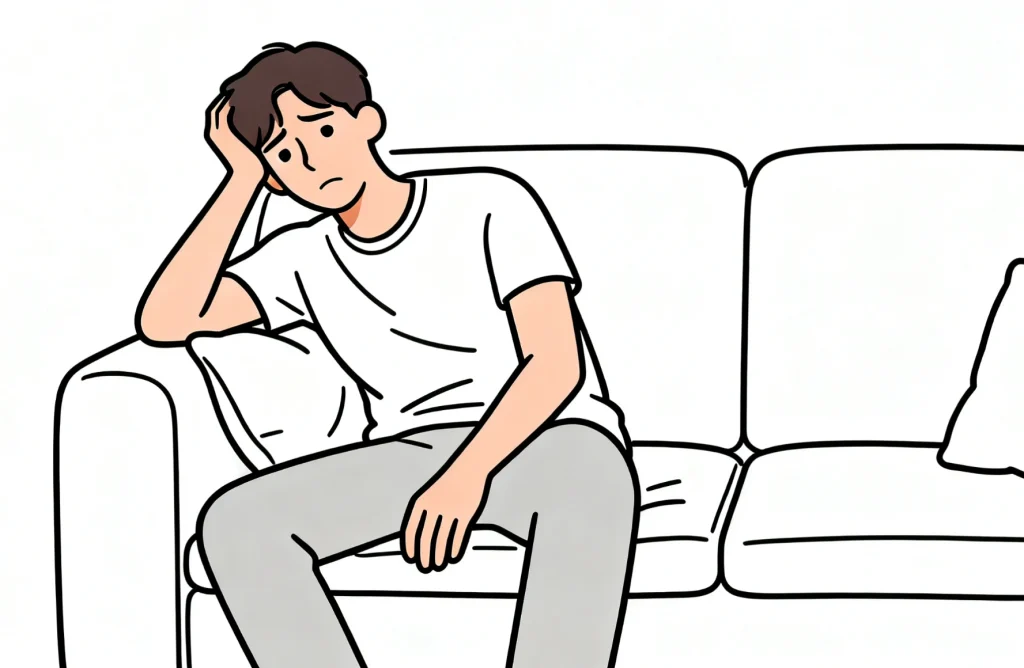
Seasonal Affective Disorder (SAD) is a mood disorder associated with seasonal changes. It is particularly common in the fall and winter months. This low mood can affect daily life and work and may even lead to mood swings, low energy, and a decreased quality of life.
Understanding the causes of SAD and how to effectively alleviate it is an important step in improving mental health. This article will introduce several common ways to cope with SAD to help you maintain a positive mindset and get through the colder season.
1. Get Plenty of Sunlight
Sunlight is the most natural and effective “remedy” for regulating your biological clock and boosting serotonin levels.
Morning sunlight is especially important for resetting your daily biological clock. When you wake up, try to open the curtains or engage in 15-20 minutes of outdoor activity in the morning. For example, have breakfast on your balcony or take a walk in your neighborhood. This effectively suppresses melatonin secretion, helping your body quickly enter a state of alertness and laying the foundation for a stable mood throughout the day.
Midday sunlight intensity is also ideal. A short midday walk not only replenishes vitamin D but also directly increases the levels of neurotransmitters in the brain associated with feelings of pleasure. This can effectively combat afternoon fatigue and low mood.
Indoors, consciously place your workspace, sofa, and other frequently used areas as close to windows as possible and keep the curtains open. This allows natural light to fill your living space to the maximum extent.
On rainy days or in areas with severely insufficient sunlight, light therapy lamps are an effective alternative. Using it for 20-30 minutes each morning can simulate the beneficial effects of natural light. This can help the body regain its rhythm.
2. Maintain A Regular Exercise Routine
Exercise can improve physical fitness. Exercise releases endorphins, which help relieve stress and anxiety. This can alleviate unpleasant emotions. Even in the cold winter, try to maintain a regular exercise routine. Yoga, brisk walking, and swimming are all good choices. Exercise promotes the release of endorphins, the “happy hormone,” thereby enhancing feelings of well-being and satisfaction. It is recommended to engage in aerobic exercise at least three times a week for 30 minutes each time.
3. Adjusting Your Dietary Habits
Diet and mood are closely related. Especially during seasonal affective disorder (SAD), a proper diet can effectively boost energy and mood. Foods rich in omega-3 fatty acids, vitamin D, and B vitamins, such as salmon, nuts, eggs, and whole-wheat bread, help improve brain function and stabilize mood. At the same time, avoid excessive intake of sugary and high-fat foods. These foods may provide energy in the short term, but they can cause blood sugar fluctuations, affecting mood.
In practice, it is recommended to increase the intake of foods rich in tryptophan. Such as bananas, milk, and meat. These foods are important raw materials for synthesizing serotonin. Also, supplement with appropriate amounts of complex carbohydrates, such as oats and sweet potatoes. These provide a stable energy release, avoiding mood swings caused by drastic blood sugar fluctuations. Magnesium is also crucial for mood regulation. Dark green vegetables, legumes, and dark chocolate are good sources. It is worth noting that maintaining adequate water intake is equally important. Dehydration can exacerbate fatigue and difficulty concentrating.
It is recommended to establish a regular meal schedule to avoid overeating or excessive dieting due to low mood. Establishing a stable and healthy eating rhythm is very beneficial for maintaining emotional balance. It is also a good way to relieve seasonal affective disorder.
4. Maintain Social Engagement
Seasonal affective disorder often triggers a tendency towards social withdrawal. This leads to an unconscious reduction in contact with others, which often creates a vicious cycle of “low mood—loneliness—even lower mood.” Consciously maintaining social connections is key to breaking this cycle. It is recommended to develop a specific social plan. For example, have lunch with friends weekly, and attend book clubs or interest groups. This regular social arrangement is more effective than passively waiting for invitations.
When the weather is bad outdoors, make full use of online platforms. Stay connected with distant relatives and friends through video calls, or participate in online themed salons, gaming communities, etc. The focus of socializing is on quality, not quantity. Being able to spend time with friends and family you like can alleviate the discomfort caused by seasonal affective disorder. Maintain connections with “energy givers” who offer understanding and support, avoiding superficial social interactions.
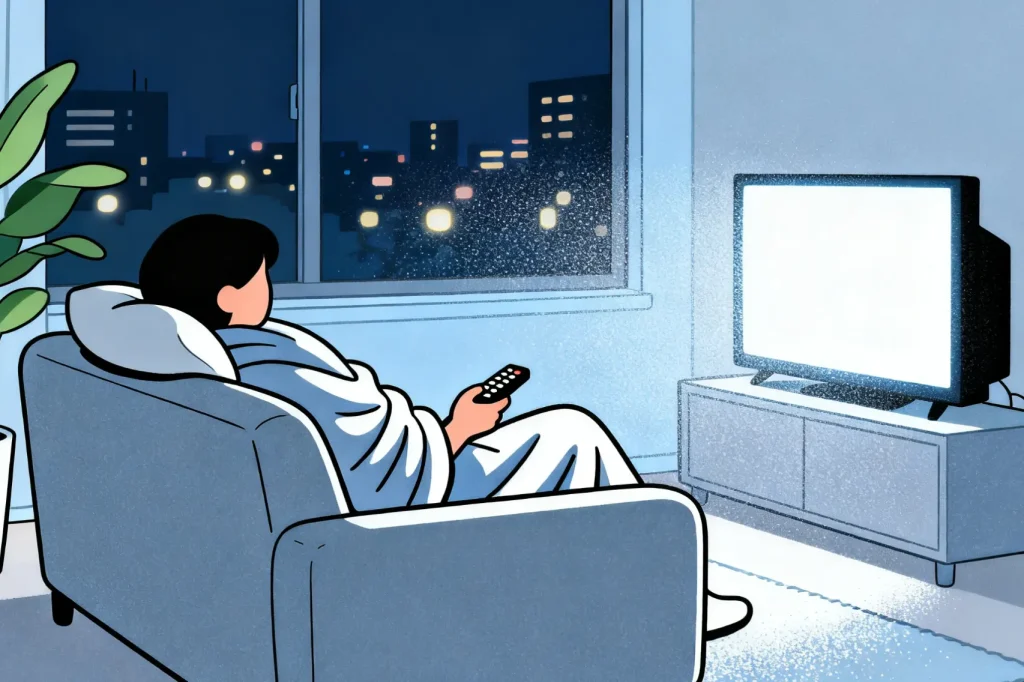
Outdoor activities combined with sunlight are ideal. For example, arrange a daytime walk in the park, visit a museum together, or go to a winter market. This arrangement provides both social support and increased natural light. If you feel pressured to confide in someone face-to-face, you can start by doing something together, such as cooking or crafting, gradually opening up through natural interaction.
5. Seek Psychological Counseling
If seasonal affective disorder symptoms are severe and even impact daily life, please seek professional psychological counseling or treatment. Cognitive behavioral therapy (CBT) is a highly effective psychotherapeutic method. It helps patients identify and adjust negative thought patterns and improve their emotional state. Communicating with a professional psychologist or counselor can help you better understand yourself and learn to manage and regulate your emotions.
6. Maintaining Good Sleep Habits Is Essential
Seasonal mood disorder is often accompanied by sleep disturbances. Less daytime sunlight and difficulty falling asleep at night can easily disrupt the body’s circadian rhythm. This affects sleep quality. Maintaining a regular sleep schedule and creating a suitable sleep environment can help improve sleep. Keeping the bedroom quiet and at a comfortable temperature and avoiding excessive use of electronic devices before bed can all improve sleep quality. Good sleep helps the body recover and boosts energy and mood.
7. Cultivating Hobbies
Developing and consistently engaging in activities you enjoy can effectively distract you and reduce focus on negative emotions. Whether it’s reading, painting, photography, listening to music, or doing crafts, hobbies can add fun to life and enhance inner happiness. These activities not only help relax the mind and body but also increase self-satisfaction and strengthen resilience.
Conclusion
Seasonal mood swings are a common psychological phenomenon, but they can be alleviated and effectively improved through some scientifically sound methods. If you feel that your mood problems are severe, it is recommended to seek professional help as soon as possible. Remember, maintaining a positive attitude and proper self-regulation can help us get through each season smoothly and embrace a healthier and happier life.