A busy life always presses our minds without us realizing it. Waking up in the morning by the alarm clock, running back and forth between chores and meetings during the day, and lying in bed at night while your mind keeps spinning like an unplugged browser. Occasionally, you may ask yourself, “Why am I so tired? Why has even happiness become scarce?”
In fact, mental health is not a distant event but a little bit of accumulation every day. Scientific studies have long confirmed that even the tiniest of habits can slowly change our brains, leading to a more positive mindset, more emotional stability, and a rising sense of well-being.
In what follows, we’ll share 7 simple daily habits to boost your mental health. They don’t require you to make radical changes, but they can repair your tired heart invisibly and help you find that relaxed, happy self.
Why Mental Health Has Become an Imperative of Modern Life
Before sharing specific ways to improve your mental health, let’s take a look at why we need to take care of our hearts now more than ever. By understanding the importance of mental health and the consequences of missing it, you’ll be more motivated to practice these daily habits.
The Profound Impact of Mental Health on Your Life
Mental health is more than simply emotional stability. It affects your ability to handle stress, the clarity of your decisions, the temperature of your relationships, and even the functioning of your immune system.
Studies have shown that chronic psychological stress can lead to abnormally high levels of cortisol, a stress hormone that disrupts neuronal connections and makes people more prone to anxiety, depression, and a decline in immunity. Conversely, when a person is in good mental health, the levels of dopamine and serotonin, the pleasure chemicals in the brain, are stabilized, and the person feels more optimistic, confident, and energized.
Possible Pitfalls of Neglecting Mental Health
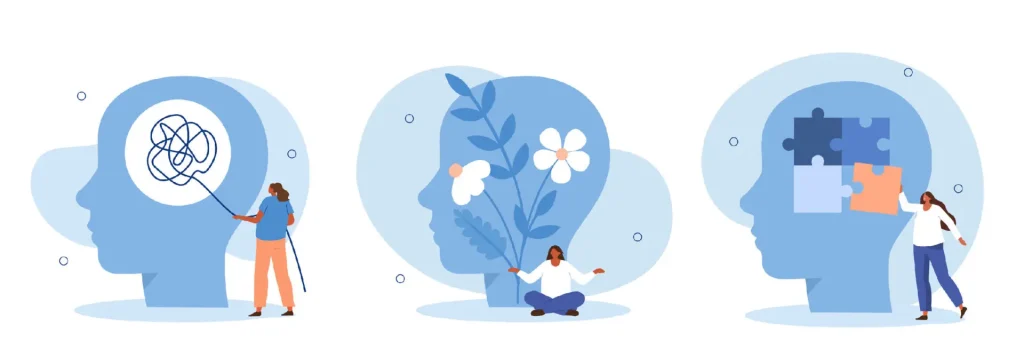
In modern society, many people are so busy chasing after external goals that they ignore their inner voice. As a result, mental health problems creep in and manifest themselves:
- Emotional Distress: anxiety, irritability, depression, and even an inexplicable sense of emptiness.
- Sleep Disorders: difficulty falling asleep, waking up frequently, or always being tired and weak during the day.
- Physical Discomfort: headaches, stomachaches, heart palpitations, and other “unexplained” physical symptoms.
- Social Isolation: Gradually withdrawing from friends and family and finding communication burdensome.
According to the World Health Organization (WHO), 1 in 4 people worldwide will experience some kind of mental health problem in their lifetime, and many people don’t realize it until it has a serious impact.
7 Daily Habits to Help You Create a Happier Inner Being
The adjustment of mental state is actually closely related to life. Our diet, work and rest, and emotional reactions all affect the inner stability and happiness a little bit.
Next, these 7 daily habits will help you build a tougher and more relaxed inner self from different angles, so that you can face life with more ease.
1. Set Aside Time for Alone Time Every Day
In the age of information explosion, cell phones, computers, and social media occupy our attention all the time. Over time, we begin to lose the ability to speak to our inner self. You can start by setting aside 10-15 minutes a day to be alone, even if it’s just sitting in front of a window and chilling out, to give your brain the space it needs to rest.
How to start?
- When you wake up in the morning, instead of checking your phone first thing, take a deep breath for 5 minutes and feel the state of your body.
- When you get home from work, turn off all electronic devices and take a walk on your balcony or in the park, focusing on the sounds and smells around you.
- Try keeping a journal to record your moods throughout the day, which is both an outlet for releasing your emotions and a process of understanding yourself.
2. Establish a Regular Routine to Give the Brain Adequate Rest
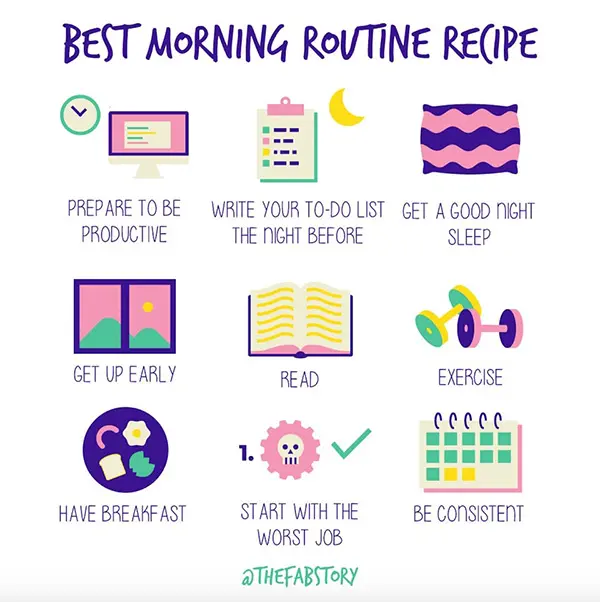
Sleep is a recharging station for the brain. Without quality sleep, the brain’s emotional regulation and stress management functions are impaired. People who are chronically sleep deprived have a 70% increased risk of anxiety and depression.
Suggested Practices:
- Go to bed and wake up at a regular time each day to allow the biological clock to form a routine.
- Stay away from blue-light screens for an hour before bedtime. Instead of swiping your cell phone, use a paperback book, meditate, or take a hot bath.
- Keep the bedroom environment dim and quiet, and the room temperature should be 18~22℃.
3. Moderate Exercise to Awaken the Happy Factor within
Exercise is a natural antidepressant. Every time you exercise, your brain releases endorphins that make you feel happy and relaxed. Even a 20-minute brisk walk every day can significantly improve your mood.
How can I incorporate it into my daily routine?
- Take a 10-minute walk after your lunch break to switch your brain from the stress of work.
- Engage in 30 minutes of moderate-intensity exercise, such as yoga, jogging, or cycling, at least 3 times a week.
- You can incorporate interests to make exercise fun rather than a burden.
4. Learning to Say No and Guard Mental Boundaries
In modern life, we often unconsciously take on too much responsibility and pressure because we are afraid of offending others or want to please others. This kind of overcommitment not only makes us tired inside but also easily leads to emotional breakdown. Learning to say no at the right time is actually protecting your most basic psychological space.
Specific Practices:
- When faced with a request, give yourself time to think first and clarify what you can afford.
- Say no in simple and sincere terms, such as “Thank you for the invitation, but I need to take a break now.”
Refusal is not selfish; it is setting healthy boundaries for yourself.
5. Confide and Express to Avoid Emotional Accumulation
Internal pressure and negative emotions, if accumulated for a long time, will easily lead to increased psychological burden. Therefore, it is very necessary for you to find a suitable way of expression for yourself so that your emotions can be released.
Practice Suggestion:
- Share your feelings of the day with a trusted friend or family member without worrying about being judged; just confide in them.
- If you are not good with words, try recording, talking to yourself, or even talking to a mirror to help sort out your emotions.
- There is also the option of attending counseling or emotional support groups for professional help and support.
Expressing your emotions in a timely manner prevents negative emotions from accumulating, reduces anxiety and depression, and keeps your heart relaxed and clear.
6. Take a Trip

Being busy in the same environment for a long time tends to make people emotionally exhausted, and their thoughts are trapped in a small space where they can’t stretch out. Traveling, even if it’s just for a short distance, is a way to give your heart a change of air.
Here’s what to do:
- Choose a small town or natural attraction 1-2 hours away from home to get away.
- Pack a small bag one night in advance, bring a book, headphones, and a camera, and allow yourself to slow down and take in the scenery along the way.
- You can also laze in a café, take a walk in the park, or find a small store to sample local specialties.
- Traveling from afar.
7. Cultivate a Small Hobby
In the midst of a busy schedule, many people focus on work and chores but neglect to leave a little space for themselves to do what they love. You can cultivate a small hobby to relieve stress and nourish your heart.
Specific Approach:
- Choose an activity that interests you, such as painting, baking, gardening, crafts, or learning a musical instrument.
- Fix one or two hours a week and concentrate on immersing yourself in this small thing, not for the results, but only for the enjoyment of the process.
- If you’re afraid of the difficulty of sticking to it, ask a friend to join you in a hobby class or online challenge for added fun.
Such hobbies not only allow you to take a break from daily stress but also discover the joy of life in the process and develop more positive emotions.
Final Thoughts
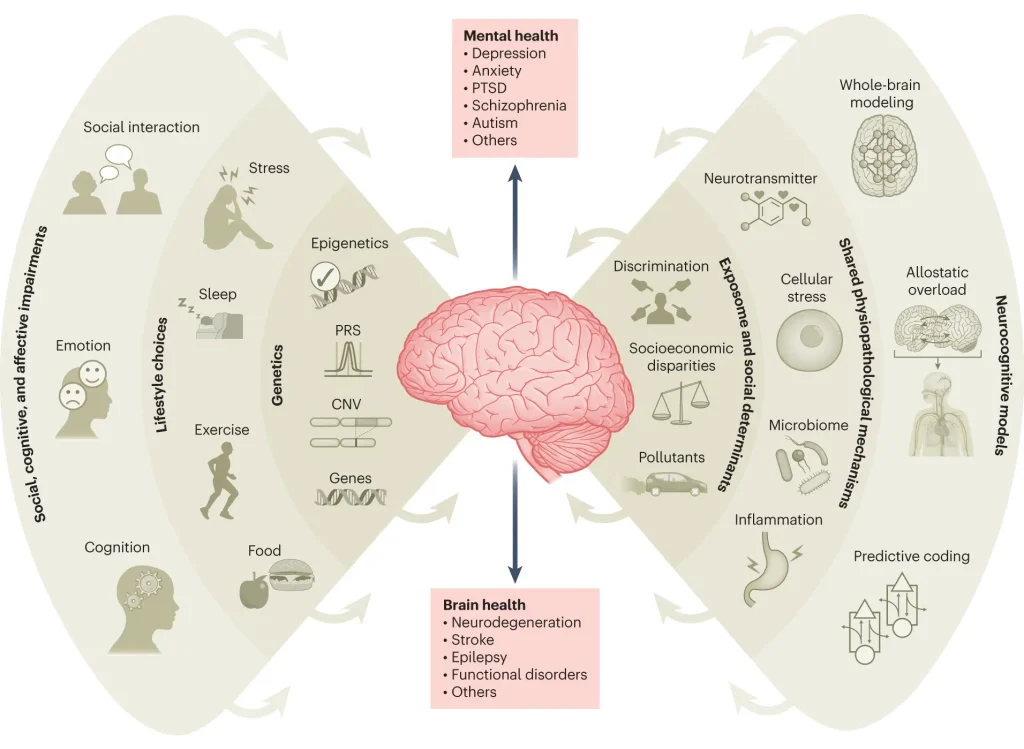
Don’t wait until you feel overwhelmed to start taking mental health seriously. Pick one thing to try now and make mental health a part of your life!