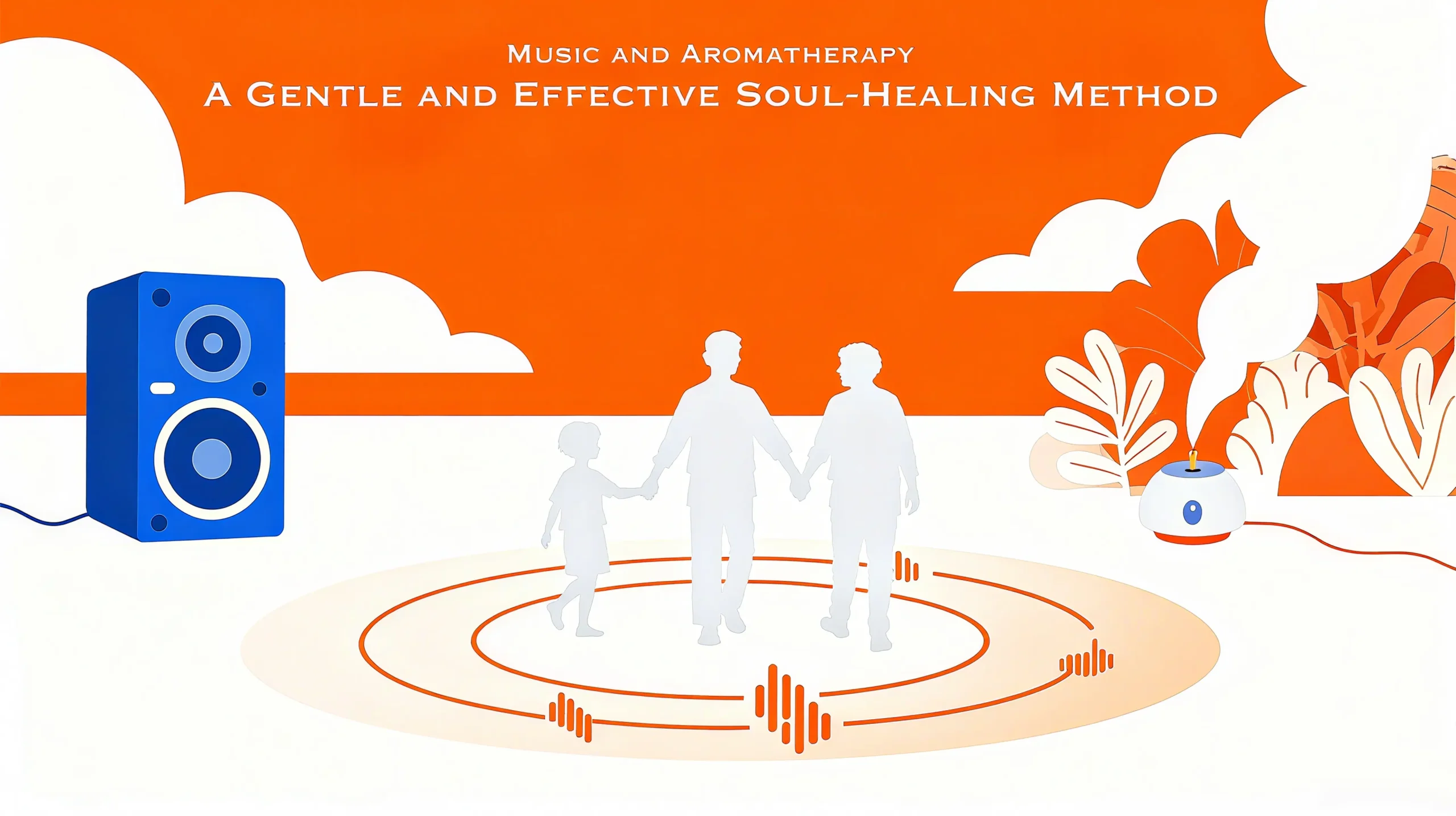
Music therapy and aromatherapy are becoming increasingly popular options for soul-healing.
In today’s fast-paced, high-pressure world, anxiety, insomnia, and mood swings have become common problems for many. People are constantly seeking gentler, more natural ways to reduce stress. Combining these two methods stimulates both hearing and smell. Furthermore, it offers relaxation and deep emotional healing.
1. Why Is This Method Effective for Soul-Healing?
From a professional neuroscience perspective, human emotions are closely related to the autonomic nervous system. When we feel anxious or nervous, the sympathetic nervous system is activated. This activation leads to an increased heart rate and muscle tension. The combination of music and aromatherapy can activate the parasympathetic nervous system through dual sensory stimulation. This can help the body enter a state of relaxation.
Music Therapy: The great ancient Greek philosopher Plato once said, “Music is the most powerful emotional antidote God has given to mankind.” By activating the brain’s happy hormones like dopamine and oxytocin and regulating the autonomic nervous system (for example, lowering cortisol and stabilizing heart rate), music can effectively relieve anxiety, improve sleep, and enhance concentration. To address different emotional needs, choose from a variety of music styles, such as nature sounds, classical music, or white noise. You can create a personalized playlist based on your needs. You can also add mindfulness exercises to the process. But pay attention to volume control and cultural differences. This can enhance the healing effect of the soul.

Aromatherapy: Aromatherapy uses the aroma molecules of essential oils to influence the brain’s limbic system. This can effectively relieve anxiety, improve sleep, and alleviate emotional stress. Previous studies have shown that essential oils such as lavender, sweet orange, and bergamot can reduce stress-related cortisol and increase serotonin production. These beautiful scents can also directly affect emotional centers through the olfactory nerves, producing either a calming or uplifting effect.
Combining the two enhances the effect while also accelerating its effectiveness.
2. Music Types That Help with Spiritual Healing
The types of music that can be effective for spiritual healing are limited. When choosing music, consider the following categories:
Clean and Light Music: Instruments like piano, harp, and guzheng typically have soft melodies and slow tempos. Listening to soothing music can help stabilize your mood.
Nature Sounds: Create natural white noise music by incorporating the sounds of waves, birdsong, and rain. Being in nature can enhance a sense of security and immersion.
Binaural Beats: This type of music uses sound frequencies to induce deep relaxation or meditation, achieving a soothing effect.
Yoga Music: This type of music has a steady tempo, often featuring long notes or chants. This helps synchronize breathing and heart rate.
During spiritual healing, music with few or no lyrics is a better choice. This type of music is more effective in soothing your mood.
3. Essential Oils for Spiritual Healing
The key to aromatherapy is choosing high-quality, pure, natural essential oils. You can also blend them to suit different emotions. Here are some recommended scents.
Lavender: This essential oil is a great choice for calming the mind and relieving anxiety and insomnia.

Sweet Orange: The warm and pleasant scent of orange can dispel depression and low spirits.
Ylang Ylang: Ylang Ylang soothes the nerves and balances emotions, making it suitable for meditation.
Chamomile: Chamomile can help relieve anxiety and aid sleep, making it suitable for those experiencing emotional stress or nervous breakdowns.
Sandalwood: Burning sandalwood can help focus and is suitable for deep meditation and spiritual peace.
Essential oils can be used individually or blended to create your own effective “healing aroma.”
4. When and How to Combine Music and Aromatherapy
Relaxation before bed
Before bed, dim the lights and play soothing piano music or nature sounds for 20-30 minutes. Use a diffuser to diffuse lavender or chamomile essential oil to help you fall asleep.
During meditation or yoga
Choose binaural beats or meditation music and maintain a steady breathing rhythm. Add sandalwood or ylang-ylang essential oil to enhance focus.
De-Stressing During Work
Play soft music at a low volume through headphones in your office. Use aromatherapy stones or portable diffusers to diffuse sweet orange essential oil to relieve tension.
When Feeling Down
Choose bright, warm music, such as upbeat guitar or bossa nova. Use a blend of sweet orange and lavender essential oils to elevate your mood and relax your mind.
5. Precautions
You should always try to use 100% natural essential oils. Avoid buying substitutes containing chemical fragrances online or in stores.
The concentration of essential oils should not be too high. High concentrations of scent in a confined space can have a counterproductive effect or even cause discomfort.
Play music at a low volume to avoid irritating the eardrums or causing nervous tension.
Pregnant women and people with asthma, epilepsy, and other special conditions should use this therapy with caution. Consult a healthcare professional before using essential oils.
Conclusion
The combination of music and aromatherapy is a gentle, virtually side-effect-free form of spiritual healing. It doesn’t require expensive equipment or complex techniques. By choosing the right music and essential oils, you can relax and relieve stress at home, in the office, or even while traveling.
We live in an information age characterized by an explosion of information, a fast pace, and pervasive stress. Most people face emotional challenges. Therefore, it’s crucial to create a “sensory healing space” for ourselves. This is the first step toward resolving anxiety, fatigue, and negative emotions.
Related Reading