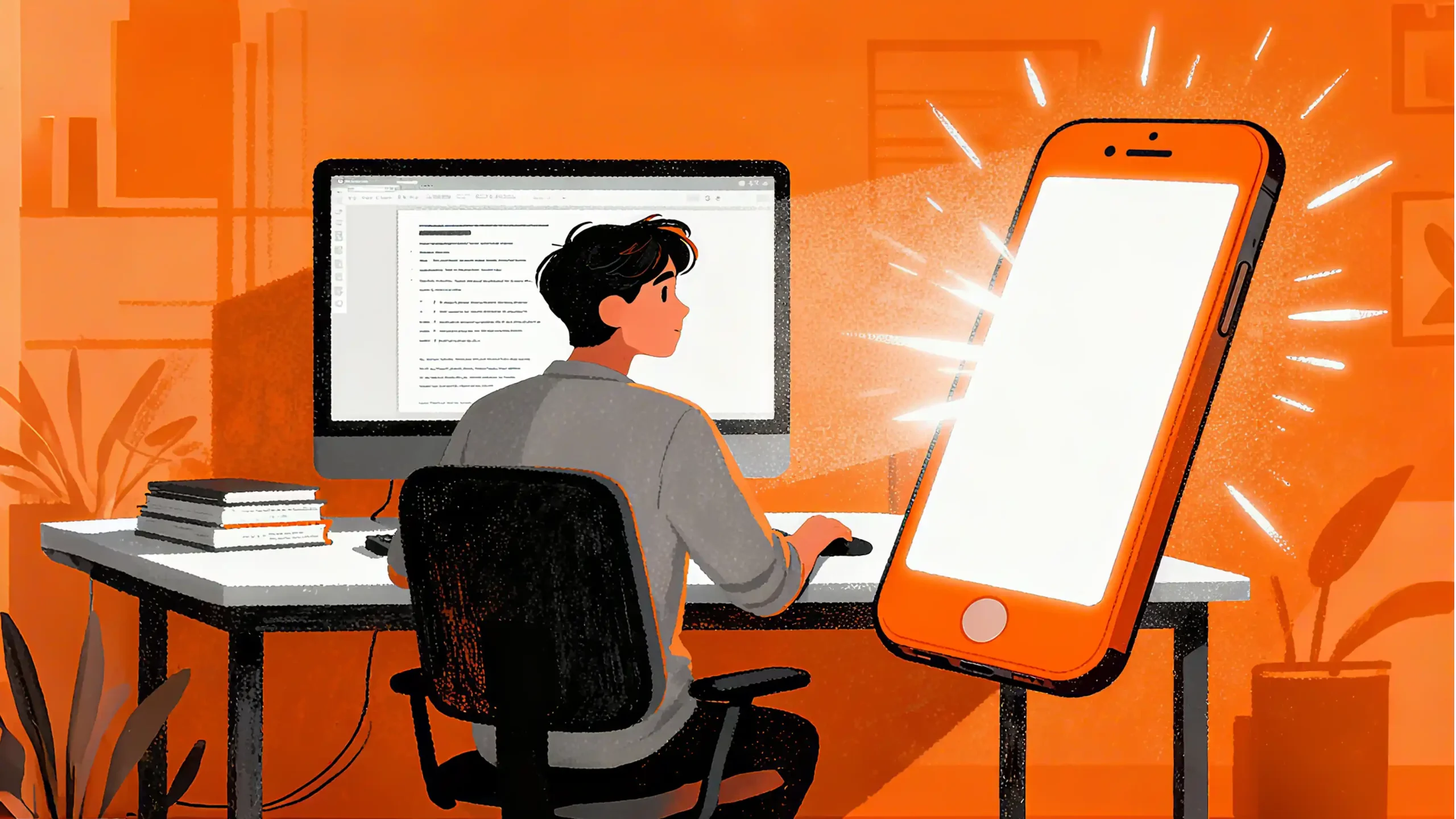
Many people always procrastinate. Procrastination seems to be a common problem for many people in daily life. There’s urgent work to be done, yet they can’t help but scroll through their phones. They know procrastination leads to anxiety, yet they still can’t take the first step.
This “knowing what needs to be done but delaying it” disrupts their daily routine, can cause them to miss opportunities, and can affect their mental state. So, why do so many people fall into this vicious cycle of procrastination? Procrastination isn’t simply laziness; it’s the result of a complex interplay of psychological, ability, and environmental factors.
1. Psychological Level
Most people’s procrastination is essentially a psychological defense mechanism. By delaying action, they temporarily avoid the negative feelings associated with a task. Two common psychological factors lie behind this.
- Fear of Failure
Many people procrastinate not because they don’t want to do well, but because they’re overly afraid of not doing well. For example, students facing important papers worry that their ideas aren’t profound enough, their structure isn’t rigorous enough, or they worry about unsatisfactory final grades. At work, faced with complex projects, they worry about their plans not being accepted, mistakes being made during execution, or even fear responsibility for failure. This fear of imperfection can lead people to fall into an extreme mindset of “perfect or nothing at all,” with “not starting” becoming the “safe option” to avoid failure.
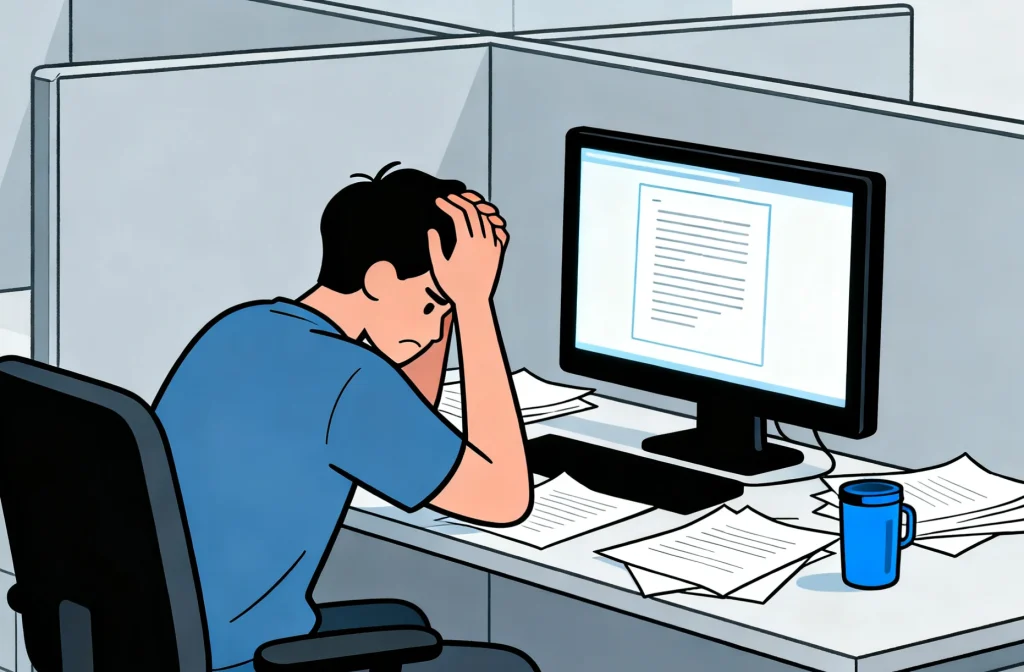
For example, someone planning to write an article for a website may feel they haven’t gathered enough material or have yet to articulate their logic. This is a subconscious fear that the article won’t be read or liked after publication, so they use “lack of preparation” as an excuse. Keep procrastinating until the deadline to start writing, but the quality is poor due to time constraints, and you fall into a vicious cycle of “procrastination → failure → more fear of failure → more procrastination.”
- Escape from Stress
When tasks are difficult, deadlines are tight, or when faced with multiple tasks simultaneously, people experience intense stress. Some people choose to procrastinate. It can become a “shortcut” to temporarily relieve anxiety. For example, at work, you have three reports to finish by the end of the month. The thought of the pileup can make you feel irritated and anxious. Watching short videos or browsing shopping apps can temporarily distract you and provide a moment of relaxation. However, this “brief relief” comes at a price. As the deadline approaches, unfinished tasks can become like a bombshell, causing you to experience even more anxiety.
Psychologists call this the “procrastination pleasure trap.” The immediate pleasure of procrastination can temporarily help you forget about stress. But in the long run, this only leads to a continuous accumulation of stress, ultimately resulting in a greater psychological cost.
2. Ability Level
Besides psychological factors, personal weaknesses can also lead people to choose to procrastinate. In particular, a lack of goal planning and self-control can lead to a lack of direction and motivation.
- Vague Goals
Many people procrastinate because they lack a clear plan for what they want to do. They know they need to accomplish something, but they don’t know the first step. For example, someone plans to “improve their English this weekend.” But “improving English” is a vague goal. Should they memorize vocabulary, practice listening, or do some reading? Without specific steps, they become lost and ultimately procrastinate. Finally, at the end of the weekend, they realize they haven’t accomplished anything.
- Weak Self-Control
Modern society is filled with the temptations of “instant gratification.” Fun games and informative short videos can quickly trigger a surge of dopamine and bring happiness. Completing tasks, on the other hand, requires long-term commitment to produce results. In contrast, people with weak self-control are easily led astray by temptation and fall into procrastination.
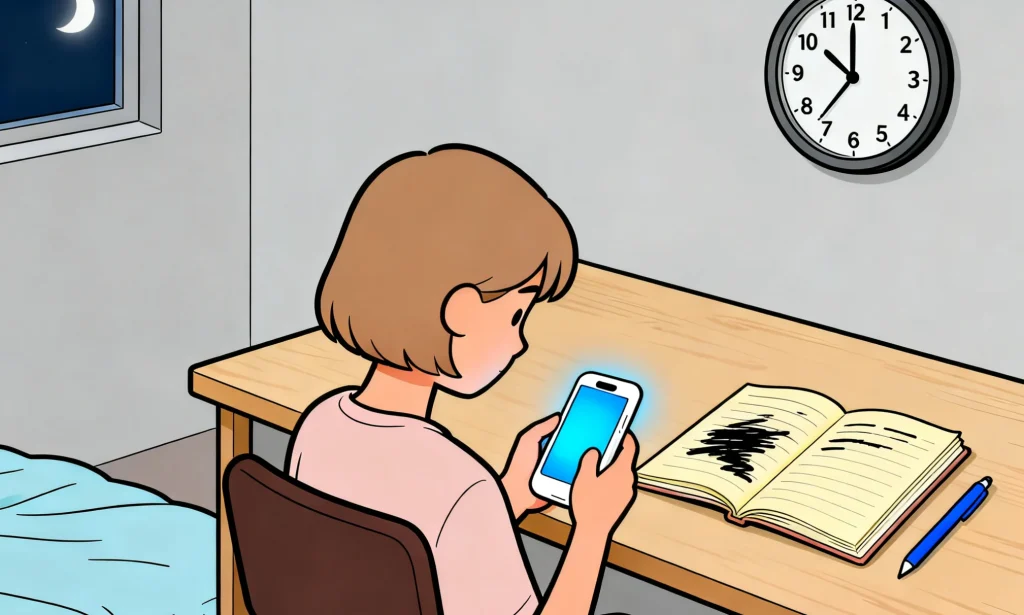
For example, someone plans to start writing a work report at 7 p.m. After sitting down, they first want to watch a five-minute video before starting. Unconsciously, they end up watching for an hour. They decide to put their phone down. After writing for 10 minutes, they can’t help but reply to messages and check shopping apps. The work that should have taken an hour drags on until midnight. This cycle of “interruption by temptation—procrastination—anxiety” is essentially a manifestation of self-control’s inability to withstand the pressure of “instant gratification.” Chronic procrastination further weakens self-control, creating a vicious cycle.
3. Environmental Level
In addition to personal factors, external distractions can also be catalysts for procrastination. In particular, environments that are not conducive to focus and negative external feedback can make it even harder to concentrate.
- Excessive Environmental Distractions
Being in a distracting environment can scatter one’s attention. For example, doing homework in a noisy living room or studying in a noisy environment. These environments easily distract one from external sounds or irrelevant objects. This leads to frequent interruptions in one’s work, which in turn leads to procrastination. For example, while writing a report in the living room, the sounds of family conversation and the TV constantly interrupted one’s train of thought. Each interruption necessitated a refocusing of attention. This process was exhausting, and one would wait for quieter surroundings before resuming work. However, often, after all this waiting, one still didn’t begin.
- Negative Feedback
Negative feedback from others can sometimes lead people to choose to procrastinate. Disapproval or pressure from others can dampen motivation. For example, a student whose teacher previously criticized their essay for being “disorganized” may become even more afraid of making mistakes the next time they write and may hesitate to start. Similarly, if a professional’s boss criticizes a proposal as “not innovative enough,” they may repeatedly worry about whether the proposal meets the requirements when given a similar task, leading to procrastination. Furthermore, excessive pressure can be counterproductive. For example, parents constantly urging their children to finish their homework quickly can sometimes lead to rebellious behavior, causing them to resort to procrastination to cope with the pressure.
Conclusion
Procrastination is a universal human dilemma. It’s the product of a complex interplay between fear, desire, environment, and the physiology of our brains. The next time you find yourself procrastinating, don’t be overly critical of yourself. Instead, try taking a detached perspective and gently exploring the underlying reasons. Am I afraid of failure? Am I finding the task too boring? Then, apply the strategies above to give yourself a gentle push. Remember, overcoming procrastination is a long journey. Every small beginning is a successful assault on the fortress of habit.