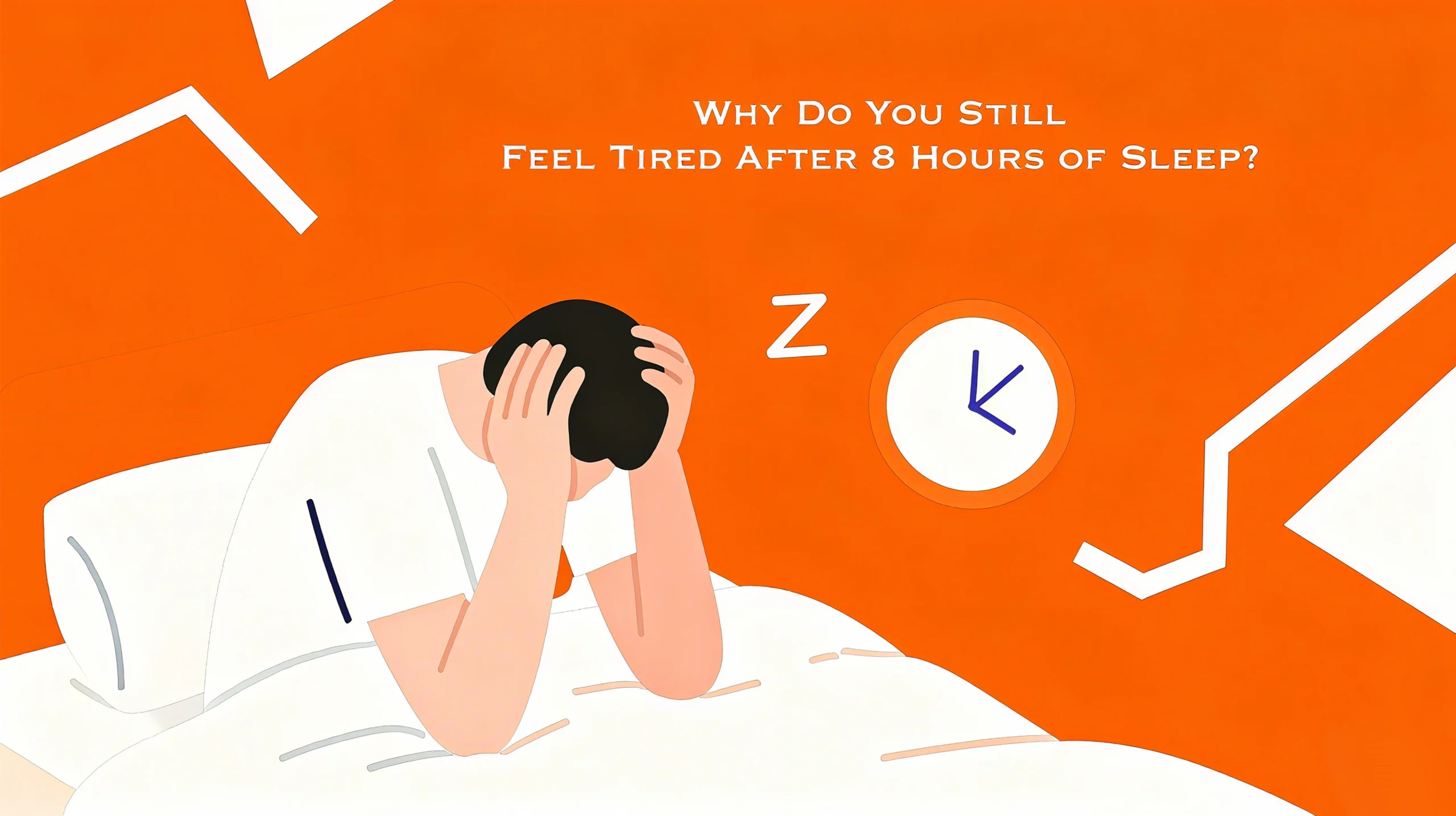
We all know that the recommended sleep time for adults is 8 hours, but do you often encounter this problem: sleeping enough for 8 hours but waking up feeling still tired and weak? This not only affects your daily life and work efficiency but also makes you start to doubt your physical condition.
In fact, the length of sleep is important, but the sleep quality, habits, health, and other factors together determine the state of mind when you wake up. In this article, we will analyze the deep-seated reasons that lead to sleeping enough but still being tired and give practical suggestions for improvement to help you really realize high-quality sleep.
Sleep Time and Sleep Quality: Neither Can Be Neglected
Many people mistakenly think that as long as they sleep for 8 hours, everything will be fine. In fact, the “time” and “quality” of sleep need to be coordinated in order to allow the body and brain to achieve true recovery.
A Detailed Explanation of Sleep Cycles and Their Impact on Feelings of Fatigue
Human sleep is divided into cycles of about 90 minutes each, consisting of light sleep, deep sleep (slow-wave sleep), and rapid eye movement (REM) sleep.
- Light Sleep Stage: Brainwave activity slows down, and the body begins to relax in preparation for deep sleep.
- Deep Sleep Stage: The body secretes growth hormone, and cellular repair and immune function are boosted during this stage, which is a critical period for rejuvenation of the body and brain.
- Rapid Eye Movement (REM) Sleep: Brain activity is close to wakefulness and is responsible for memory consolidation and emotional regulation.
If your sleep cycle is interrupted frequently, such as waking up during the night or being startled by noise, it can lead to deeper sleep and fewer REM stages. Even with a full 8 hours of sleep, it can be difficult to achieve true recovery.
Studies have shown that deep sleep stages should account for at least 13%~23% of total sleep time each night, while REM sleep should account for 20%~25%. If the percentage is significantly low, fatigue is exacerbated.
Long-Term Effects of More Light Sleep and Less Deep Sleep on the Body
While light sleep makes up the majority of the sleep cycle, too much light sleep means inadequate recovery. Long-term, more light sleep and less deep sleep can bring about:
- Daytime memory loss and poor concentration
- Decreased immunity, susceptibility to colds and illnesses
- Metabolic disorders increase the risk of diabetes and obesity
- Mood swings and even symptoms of depression
A study published in the Sleep Medicine Review points out that abnormalities in the structure of sleep are closely associated with chronic fatigue syndrome.
Environmental and Lifestyle Factors Affecting Sleep Quality
After understanding the sleep cycle, let’s see what details of the external environment and daily life may be quietly affecting your sleep quality, causing you to wake up still tired.
Influence of Bedroom Environment on Sleep
- Noise Disruption: Ambient noise is one of the biggest enemies of sleep quality. Even if you don’t consciously wake up, noise can cause sleep cycles to be interrupted. Studies have shown that deep sleep time is significantly reduced at night when noise exceeds 40 decibels.
- Light: Light inhibits the production of melatonin, the body’s natural “sleep hormone.” It helps people fall asleep and maintain sleep. If you are easily awakened by light, it is recommended to use blackout curtains or eye masks.
- Appropriate Temperature: Too hot or too cold will affect deep sleep. The ideal bedroom temperature is between 18℃ and 22℃. Too high a temperature reduces deep sleep time and leads to increased fatigue upon waking.
- Mattress and Pillow Comfort: Unsuitable mattresses tend to lead to frequent turning over, affecting deep sleep. You should choose a mattress with a suitable hardness according to your personal body type and sleeping posture when you shop. Pillows should support the cervical spine to avoid pillow fall and neck pain.
Negative Effects of Poor Lifestyle Habits
Irregular Routine: Large daily variations in sleeping and waking times can disrupt the body’s biological clock (circadian rhythm), leading to difficulty falling asleep and shallow sleep. Scientific studies have shown that a regular routine significantly improves sleep efficiency.
Use of Electronic Products Before Bedtime: The blue light emitted by cell phones, computers, and TV screens can inhibit the secretion of melatonin, delaying the time to fall asleep. It is recommended that you turn off your electronic devices at least 1 hour before bedtime and relax with paper books instead.
Caffeine and Alcohol Intake: Caffeine has the effect of stimulating the central nervous system and affecting the depth of sleep. It is usually recommended to avoid caffeinated beverages after 3 pm. Alcohol, while it may help you fall asleep quickly, can disrupt sleep structure and reduce REM sleep, making you wake up early and tired.
The Exercise Schedule is Unreasonable: Moderate exercise during the day promotes sleep quality, but doing strenuous exercise within 2 hours before bedtime will excite the sympathetic nerves and affect falling asleep.
The Profound Effects of Psychological Stress and Emotional States
- Anxiety and Depression: These mental disorders not only make it difficult to sleep but also lead to fragmented sleep and increased light sleep. Research by the American Psychiatric Association shows that about 70% of people with depression have sleep disorders.
- Overthinking Due to Stress: Repeatedly thinking about work or life problems before going to bed will keep the brain “overactive” and make it difficult to enter a state of deep relaxation.
- Mood Swings Affect Neurotransmitters: Abnormal levels of dopamine, serotonin, and other neurotransmitters directly interfere with sleep regulation mechanisms, affecting the depth and duration of sleep.
Potential Health Problems and Their Impact on Sleep
If you have adjusted your environment and lifestyle habits but still often feel like waking up exhausted, there may be certain health risks that need to be taken seriously.
Sleep Apnea Syndrome (OSA)
OSA is a recurring upper airway obstruction that occurs at night, leading to pauses in breathing and frequent interruptions of sleep. Common symptoms include snoring, waking up during the night with suffocation, and extreme daytime sleepiness.
According to the American Sleep Association, about 25% of adults have varying degrees of sleep apnea. This seriously affects the duration of deep and REM sleep and is a high-risk factor for “tired after enough sleep.”
Abnormal Thyroid Function
Hypothyroidism leads to a lower metabolic rate and is characterized by fatigue, lethargy, and cognitive decline; hyperthyroidism is associated with insomnia and fatigue. Many people neglect thyroid health checks, leading to persistent fatigue problems.
Chronic Pain and Other Diseases
Chronic pain (e.g., arthritis, back pain) can lead to difficulty sleeping and nighttime awakenings. Chronic diseases (diabetes, cardiovascular disease) can also affect sleep structure and increase fatigue.
Medication Side Effects
Certain medications (antidepressants, antihypertensives, hormones) may interfere with sleep, causing excessive dreaming, early awakening, or drowsiness. Therefore, you should communicate with your doctor to adjust your medication regimen while you are on medication.
Scientific Methods to Improve Sleep Quality
After understanding the many factors that affect your sleep, here is a set of scientific and feasible ways to improve your sleep quality and say goodbye to “sleeping enough but still tired.”
Establish A Regular Schedule that Suits Your Needs
- Set a regular bedtime and wake-up time to keep your biological clock stable.
- Even on weekends, try not to wake up late to avoid the impact of “social jet lag” on sleep.
- Wake up in the morning and get some sunshine to help adjust your circadian rhythm.
Optimize Your Sleep Environment
- Use blackout curtains and earplugs to reduce light and noise interference.
- Keep the bedroom temperature at 18-22℃ and adjust the thickness of bedding according to the season.
- Choose ergonomic mattresses and pillows to reduce body pressure points.
Adjust Diet and Exercise Habits
- Avoid heavy meals and caffeinated drinks within three hours before bedtime.
- Try not to drink alcohol three hours before bedtime to minimize the damage it can do to your sleep structure.
- Participate in regular aerobic exercise, such as jogging and swimming, to help improve sleep quality.
- Avoid strenuous exercise before bedtime and opt for soothing activities such as yoga and stretching.
Manage Stress and Emotions
- Arrange dedicated time for relaxation every day, such as meditation, deep breathing, and taking a bath.
- Journal or make a to-do list before bed to help ease the burden on your brain.
- Seek counseling and treatment when you have severe anxiety or depression.
Seek Professional Diagnosis and Treatment If Necessary
- For persistent fatigue and suspected sleep disorder, have a polysomnography (PSG) test.
- Detect and treat underlying conditions such as sleep apnea, thyroid disorders, and chronic pain.
- Your doctor may recommend cognitive behavioral therapy, medication, or assistive devices (e.g., CPAP ventilator) as appropriate.
Conclusion
“Why do I still feel tired after getting enough 8 hours of sleep?” This question reminds us that sleep is not just an accumulation of time but also a science. Only by correctly understanding the mechanism of sleep, paying attention to the quality of sleep, and adjusting lifestyle habits and physical health can we truly recover energy from sleep.
Starting from tonight, try to manage your sleep scientifically and use the right method to make every hour of rest worthwhile to be more energetic every day.