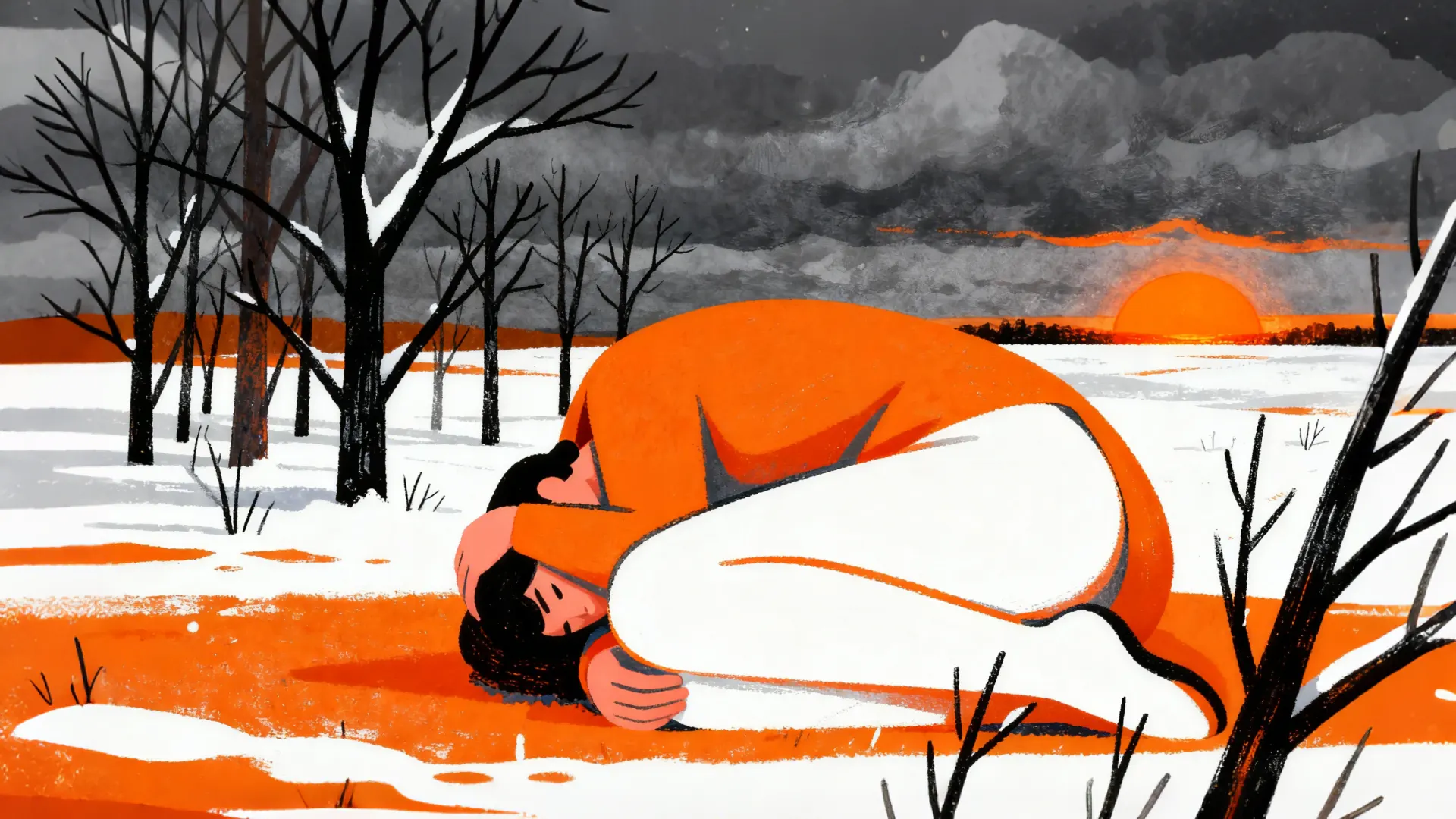
Every autumn and winter, many people inexplicably experience seasonal affective disorder (SAD). Common symptoms include daytime lethargy and loss of interest in previously enjoyed activities. Sometimes, this is even accompanied by increased sleep and appetite. This low mood gradually subsides with the arrival of spring and summer.
This mood fluctuation that synchronizes with seasonal changes is known as “Seasonal Affective Disorder.” It’s not simply a bad mood but rather the result of multiple factors, including physiological factors, environmental factors, and lifestyle rhythms. Understanding its underlying causes can help us cope more rationally with these cyclical mood changes.
1. Changes in Light Exposure
Light exposure is the most crucial physiological factor influencing seasonal affective disorder (SAD). It is the “invisible culprit” that disrupts the body’s circadian rhythm. The body’s biological clock and the secretion of serotonin and melatonin depend on the intensity and duration of light exposure. In autumn and winter, daylight hours are shorter and light intensity is weaker. This directly disrupts this balance. From a physiological perspective, serotonin, known as the “happy hormone,” helps maintain a pleasant and alert state. Its secretion is positively correlated with light exposure. When light exposure decreases, the synthesis of serotonin in the brain slows down, and its levels decrease accordingly. As a result, people are more prone to low mood and lack of energy.
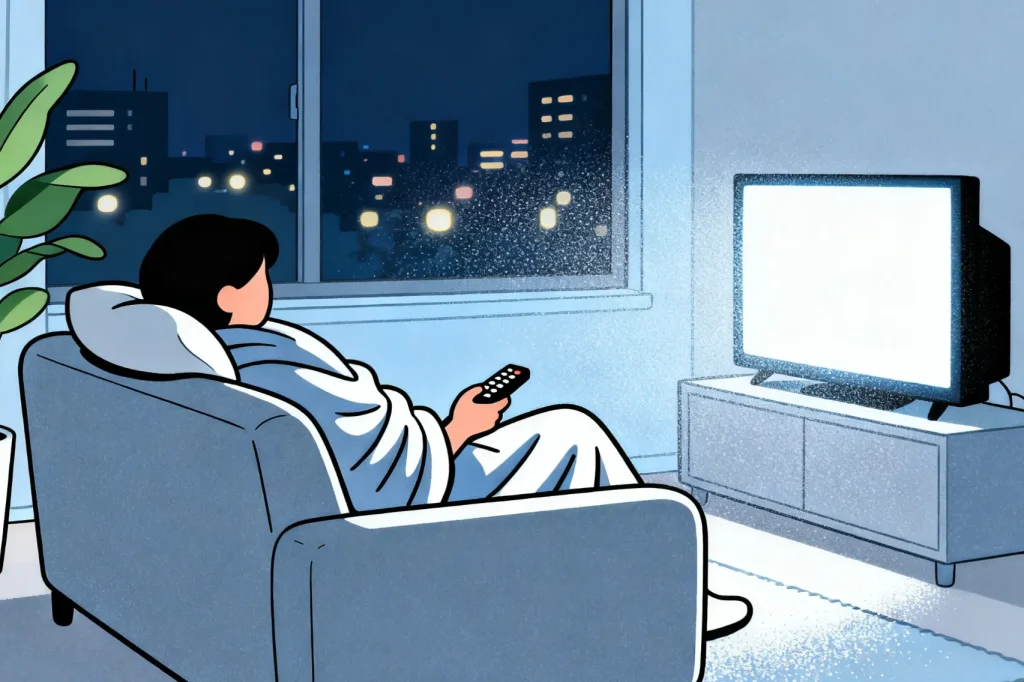
At the same time, the secretion of melatonin, the hormone that regulates sleep, increases due to reduced light exposure. This makes people feel more sleepy and drowsy, further exacerbating “mental fatigue.” This hormonal imbalance acts like a slow-motion button on the body, causing mood swings. This phenomenon occurs more frequently in high-latitude regions. Because daylight hours are significantly shorter in high-latitude regions during autumn and winter, the incidence of seasonal affective disorder (SAD) is also significantly higher than in low-latitude regions.
2. Changes in Environment and Temperature
The changing environment and temperature brought about by seasonal transitions are significant catalysts for exacerbating low mood. This is also an external trigger that amplifies low mood. On the one hand, the lower temperatures in autumn and winter cause everything to wither. Withered leaves and faded flowers make the once colorful environment monotonous and gloomy. From a psychological perspective, human visual perception of the environment directly affects emotions. Gray and bleak scenes easily evoke associations with “endings” and “loneliness.” This can further trigger feelings of loneliness and depression.

On the other hand, cold weather limits people’s outdoor activities. Outdoor activities that would normally involve walking, exercising, and socializing become difficult to participate in due to the cold. People tend to stay indoors rather than go out for social activities. Personal activity levels also decrease significantly. Exercise itself promotes the release of endorphins, the “happiness factor” that relieves stress. Insufficient activity leads to reduced endorphin synthesis, resulting in ineffective stress release. Feelings of depression are also more likely to occur. Furthermore, poor air circulation in enclosed indoor environments can indirectly affect mental state, making low moods more difficult to alleviate.
3. Changes in Lifestyle and Accumulated Stress
Seasonal changes often bring adjustments to lifestyle rhythms, and the resulting stress can further exacerbate seasonal affective disorder (SAD). These two factors are “invisible weights” that amplify emotional burden. The most typical example is that autumn and winter often overlap with the “year-end wrap-up” and “peak holiday season.” Many people face the pressure of year-end assessments and project sprints. Students, on the other hand, face final exam preparation. The approaching holidays can also cause anxiety due to “unfulfilled year-end goals” and “social pressures.” These pressures, combined with the inherent seasonal mood swings, make feelings of depression more pronounced.

Meanwhile, reduced social activities in autumn and winter also indirectly affect mood. In summer, people are more willing to go out for parties and travel. The social interaction brought by these activities provides a sense of belonging and pleasure. The cold weather in autumn and winter reduces the frequency of social interaction. Loneliness also quietly spreads. Especially for people living alone or with a narrow social circle, this “social disconnect” can lead to a lack of positive emotional feedback, further trapping them in a cycle of depression.
4. Individual Differences
An individual’s physiological and psychological traits form the “intrinsic basis” for their sensitivity to seasonal mood changes. This difference explains why, under the same environmental changes, not everyone suffers from seasonal affective disorder (SAD), and the degree of its impact varies from person to person.
From a genetic perspective, research shows that SAD has a certain familial inheritance tendency. If an individual’s parents or siblings have similar conditions, their probability of experiencing SAD increases. The underlying biological mechanism lies in the fact that certain genes may affect the brain’s efficiency in processing light signals, as well as the synthesis and metabolic rate of neurotransmitters such as serotonin and melatonin. This innate sensitivity makes the biological rhythm system and mood regulation center of some individuals react more strongly and profoundly to changes in light duration and temperature.
From the perspective of personality traits and lifestyle habits, an individual’s psychological resilience and daily behavioral patterns are also key variables. Introverted and sensitive individuals tend to have stronger internal reactions to external environmental stimuli. People with lower stress tolerance and a lack of effective mood regulation strategies are more prone to experiencing mood swings during seasonal transitions.
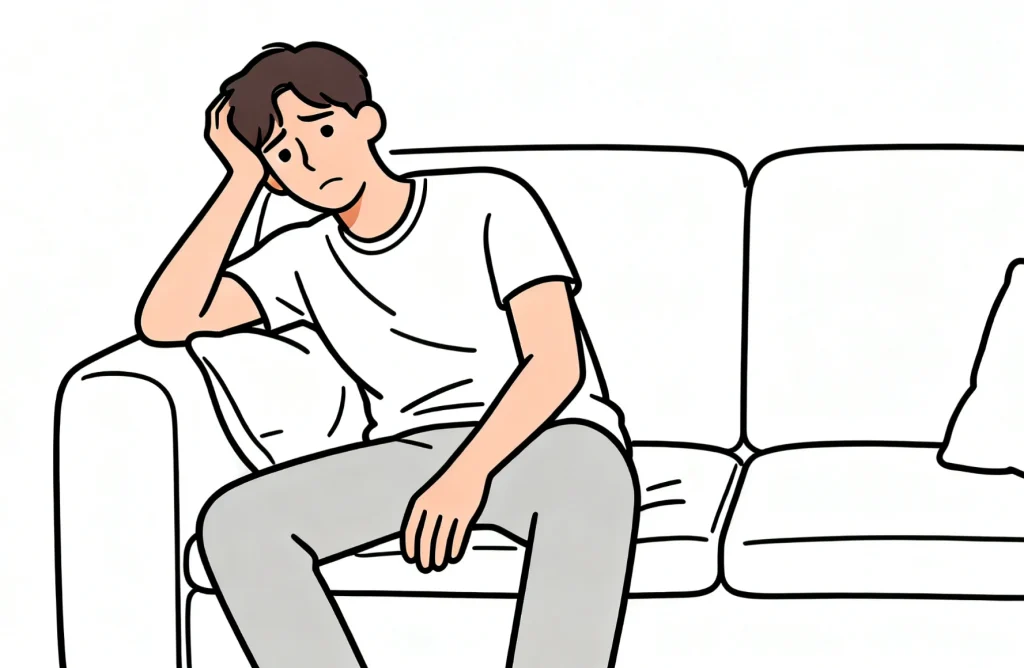
Meanwhile, unhealthy lifestyle habits such as irregular sleep patterns, lack of exercise, and unbalanced diets can weaken the stability of the body’s nervous and endocrine systems. This reduces the body’s ability to adapt to and buffer against external changes such as climate, thus increasing the risk of seasonal affective disorder (SAD).
Furthermore, for individuals who have experienced significant psychological trauma or are under chronic stress, their emotional state is already like a “tightly wound string.” At this time, seemingly minor discomforts such as reduced sunlight and lower temperatures caused by seasonal changes can become the “final trigger” that disrupts psychological balance and causes significant mood swings. Therefore, understanding and valuing these individual differences is a crucial prerequisite for effective prevention and personalized intervention.
Conclusion
In short, seasonal affective disorder (SAD) is the result of a combination of physiological, environmental, life stress, and individual differences. It is not a “personality flaw,” but rather one of the body’s normal responses to seasonal changes. By understanding its causes and proactively taking regulatory measures, we can better adapt to the changing seasons and reduce the impact of seasonal fluctuations on our emotions.