In today’s fast-paced world, mental health is more important than ever. With the constant demands of work, relationships, and daily life, many people feel overwhelmed and emotionally drained.
Fortunately, taking care of your mind doesn’t require expensive therapy or complex techniques. Here are five simple and easy methods you can implement today to help you achieve and maintain good mental health.
1. Practice Daily Mindfulness
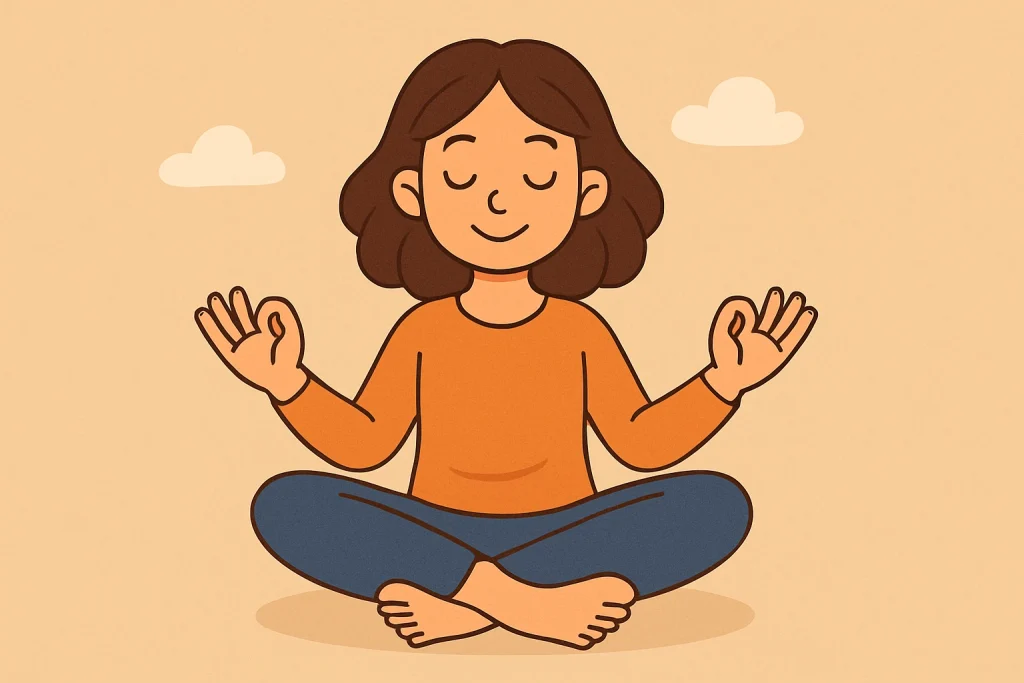
One of the most effective ways to improve mental health is through mindfulness. Mindfulness is a mental state of focusing on the present moment and being aware of one’s feelings and surroundings without judgment. It originated from Buddhist meditation and was later absorbed by the fields of psychology and medicine as a practice to improve mental health and quality of life. It requires you to focus only on the present moment and objectively observe your current thoughts and emotions.
Mindfulness doesn’t require you to be spiritual or religious—it’s simply a way to reset your mind and bring awareness to your thoughts. Simple mindfulness can be practiced anywhere and anytime you want.
Benefits:
- Reduces anxiety and overthinking
- Improves focus and emotional regulation
- Enhances your connection to the present moment
How to start:
- Spend 5–10 minutes each morning sitting quietly and focusing on your breath.
- Use apps like Headspace or Calm to guide your practice.
- During daily activities, such as eating, walking, etc., pay attention to sights, sounds, and sensations.
2. Establish a Regular Sleep Routine
Sleep is the core pillar of maintaining physical and mental health. It helps the body repair cells, enhance immunity, regulate metabolism, and protect cardiovascular health; it also consolidates memory, clears brain toxins, and improves concentration and emotional stability. Long-term lack of sleep can make people anxious, increase the risk of obesity, diabetes, heart disease, and mental illness, and even affect life expectancy and quality of life.
Adults need 7-9 hours of high-quality sleep every day. A regular schedule is a necessary option for maintaining mental health.
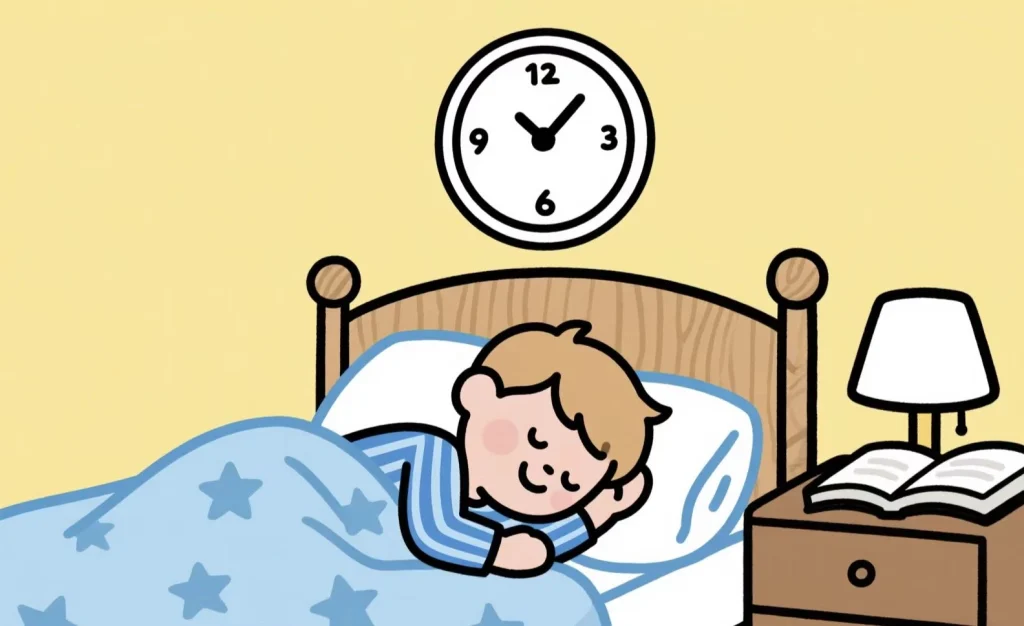
Quick tips for better sleep:
- Go to bed and wake up at the same time every day—even on weekends.
- Avoid screens and caffeine at least an hour before bed.
- Keep your bedroom cool, dark, and quiet.
3. Move Your Body
Exercise is an effective behavior that promotes mental health. Whether it is walking, jogging, yoga or other forms of exercise. After exercise, the human body will quickly relieve stress, anxiety and depression by releasing endorphins and serotonin while regulating stress hormones, promoting brain nerve growth, and significantly improving emotional regulation ability and cognitive function. Long-term regular exercise can not only improve sleep quality and enhance self-confidence, but also cultivate psychological resilience through social interaction.
You don’t have to be a gym enthusiast. Just getting your blood flowing regularly can lead to long-term benefits for your mental health.

Easy ways to include movement:
- Take a 15-minute walk after lunch.
- Stretch for 5 minutes when you wake up.
- Try gentle activities like yoga or dancing at home.
4. Connect with Others
The essence of man is not an abstract entity inherent in a single individual, but is actually constituted by the combination of all social relations. Humans are social creatures. Building and maintaining strong relationships has a profound impact on mental health. Whether it’s a casual conversation or deep emotional support, connecting with others helps you feel grounded and supported.
Maintaining high-quality external connections has a significant promoting effect on mental health. Studies have shown that maintaining regular contact with good family and friends can effectively reduce mental stress, improve emotional stability, and enhance psychological resilience. High-quality social interaction can help individuals relieve anxiety and depression symptoms by promoting the secretion of oxytocin, dopamine and cortisol. In the long run, high-quality social interaction can not only improve cognitive function, but also reduce the risk of mental disorders, and is of great value to improving the overall quality of life. It is recommended to maintain a moderate frequency of in-depth communication to give full play to the protective role of interpersonal relationships on mental health.

How to build stronger connections:
- Schedule weekly calls with friends or family.
- Join a hobby group, club, or volunteer organization.
- Talk openly about your feelings—vulnerability builds trust.
Even a few quality interactions each week can significantly lift your mood and reduce feelings of loneliness or isolation.
5. Develop a Hobby
Cultivating healthy hobbies has a significant role in maintaining and improving mental health. Studies have shown that regular participation in hobbies can effectively regulate the neuroendocrine system. At the same time, such activities can provide positive psychological stimulation, enhance an individual’s sense of self-efficacy and control over life, and thus improve overall mental health.
When people do something they like, they will devote themselves to it wholeheartedly, reduce thinking about other things, and put their brains in a relaxed state.

How to develop a hobby:
- Try different hobbies, such as reading, photography, painting, etc., and select the hobbies that interest you first.
- Secondly, stick to it for about 15 minutes every day to establish behavioral inertia.
- Then improve skills through systematic learning and phased goals, and finally integrate hobbies into daily life
The key is to grasp the “short-step principle,” maintain flexible adjustments, and let hobbies grow naturally into stress buffers and sources of accomplishment—studies show that 85% of people can form stable, healthy habits within 3 months by following this method. By giving your brain some breathing room, you allow space for creativity, calm, and emotional balance.
Conclusion
Improving your mental health doesn’t have to be complicated. Small, consistent actions like practicing mindfulness, sleeping better, moving your body, connecting with others, and developing a hobby can make a powerful difference. Start with just one method today, and gradually build your personal routine for emotional well-being.
Remember, mental health is not a destination—it’s an ongoing journey. With these simple and practical strategies, you’re already on the path toward a healthier, happier mind.
Related Reading