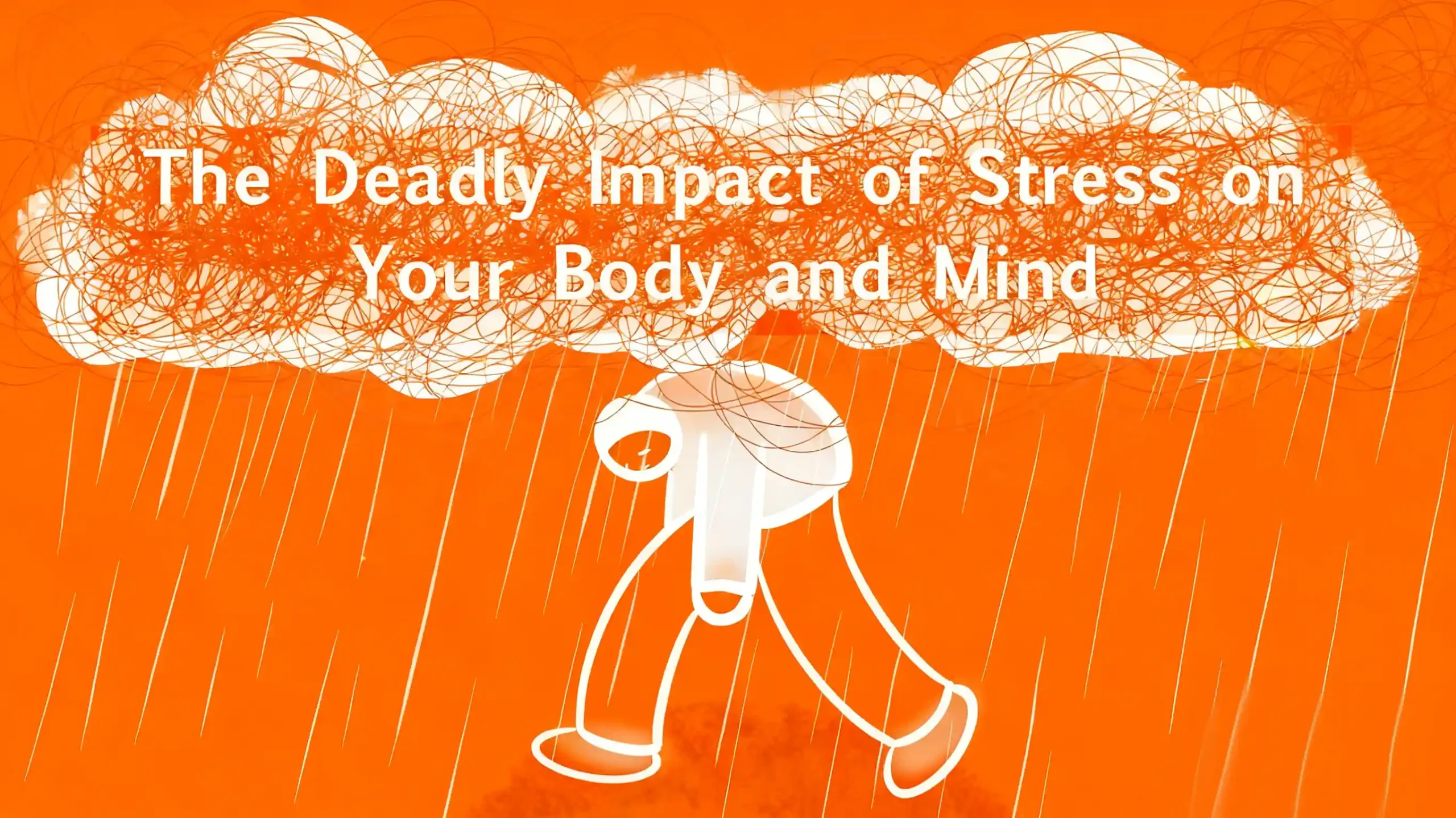
In our fast-paced modern lives, stress seems unavoidable. Whether it’s triggered by work, finances, relationships, or social pressure, a certain level of stress is normal—and sometimes even helpful. But when stress becomes chronic and unmanaged, it can lead to serious consequences, quietly damaging both your body and your mind.
This article will analyze some of the deadly impacts of stress on your body and mind.
How Stress Disrupts the Body’s Natural Balance
When facing a stressful situation, the body responds by entering a “fight or flight” mode. This response is designed to help us deal with immediate threats. However, when stress becomes constant, this system can backfire, throwing off the body’s natural balance.
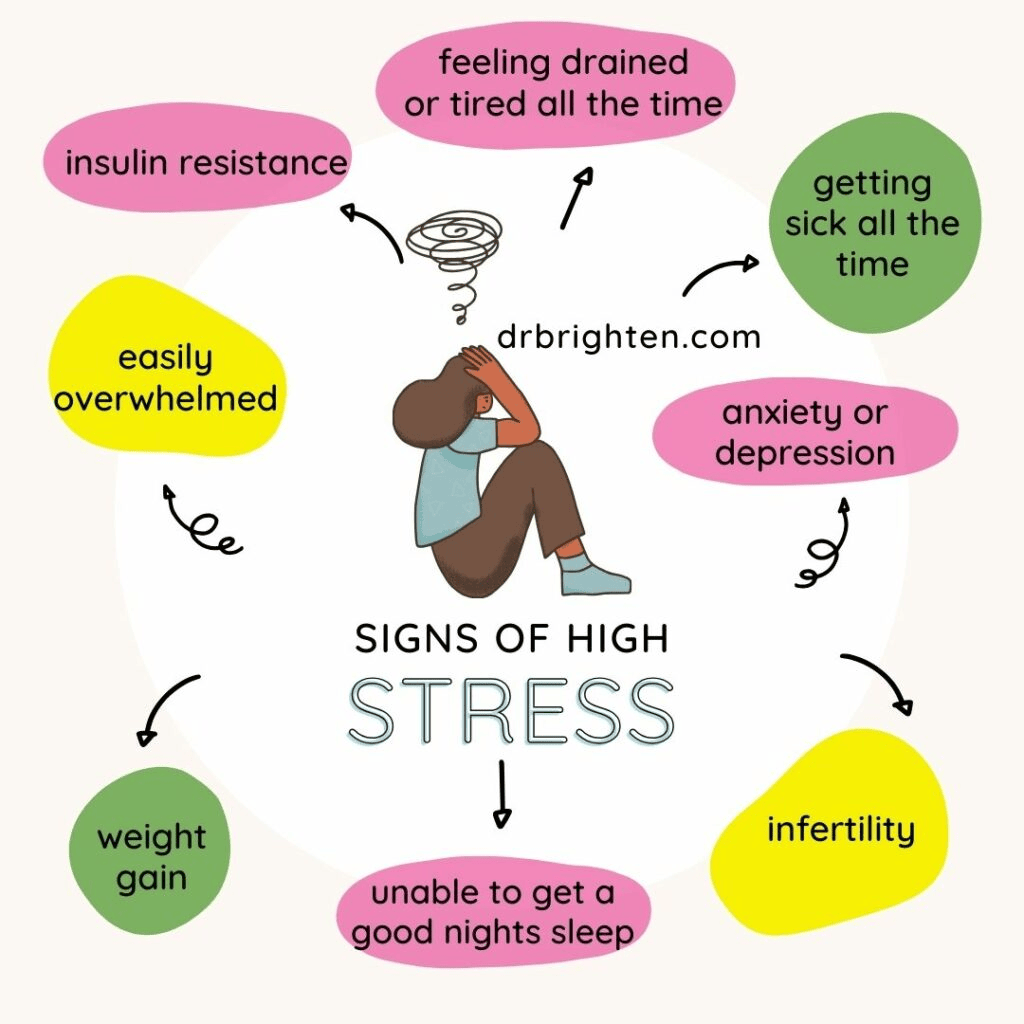
Chronic Stress Weakens the Immune and Hormonal Systems
Under prolonged stress, the body releases excessive amounts of cortisol and adrenaline. While helpful in short bursts, overexposure to these stress hormones can suppress immune function, making you more vulnerable to illness and slowing down your recovery. It can also lead to hormone imbalances that affect your metabolism, blood sugar levels, and blood pressure—raising your risk for conditions like hypertension, diabetes, and even obesity.
The Heart and Digestive System Are Especially Vulnerable
Multiple studies have linked chronic stress to cardiovascular issues. Constant pressure can cause increased heart rate and higher blood pressure and even promote plaque buildup in arteries—leading to a higher risk of heart attack or stroke.
Meanwhile, the digestive system is another major stress target. You might experience stomachaches, acid reflux, or changes in bowel habits. Over time, stress can contribute to serious gastrointestinal disorders like irritable bowel syndrome (IBS), ulcers, or chronic inflammation in the gut.
Stress’s Deep and Lasting Impact on the Mind
While the physical effects of stress are often more visible, its mental and emotional toll can be just as dangerous—if not more so. Ignored emotional stress can spiral into long-term psychological disorders that affect every area of life.
Emotional Distress and Cognitive Decline
When under constant stress, emotional regulation becomes harder. You might find yourself more anxious, impatient, or quick to anger. If this continues without proper support or coping strategies, it may develop into chronic anxiety or depression.
Additionally, stress impairs brain functions related to concentration, decision-making, and memory. High cortisol levels over time can shrink areas of the brain like the hippocampus, which is essential for learning and memory. This cognitive fog makes daily tasks more difficult and can reduce overall productivity.
Sleep Disruption and Isolation
Stress often interferes with sleep—either making it difficult to fall asleep, causing frequent waking during the night, or leading to unrefreshing rest. Poor sleep, in turn, worsens emotional stability and physical resilience, creating a vicious cycle.
Over time, people under chronic stress may begin withdrawing from social interactions. The loss of connection and support further contributes to feelings of helplessness, loneliness, or burnout—especially in high-pressure work environments or caregiving roles.
Taking Action Before It’s Too Late
If left unchecked, stress can accumulate to the point of triggering long-term illness or mental breakdown. Fortunately, there are practical steps you can take to interrupt the damage and restore balance.
Build a Consistent Daily Routine
Maintaining regular sleep and meal schedules helps your body regulate hormone production and energy levels. Limiting stimulants like caffeine and sugar also improves your body’s stress response. Aim for at least 7–8 hours of quality sleep each night, and don’t skip meals, especially during busy or demanding days.
Incorporate Movement and Mindful Activities
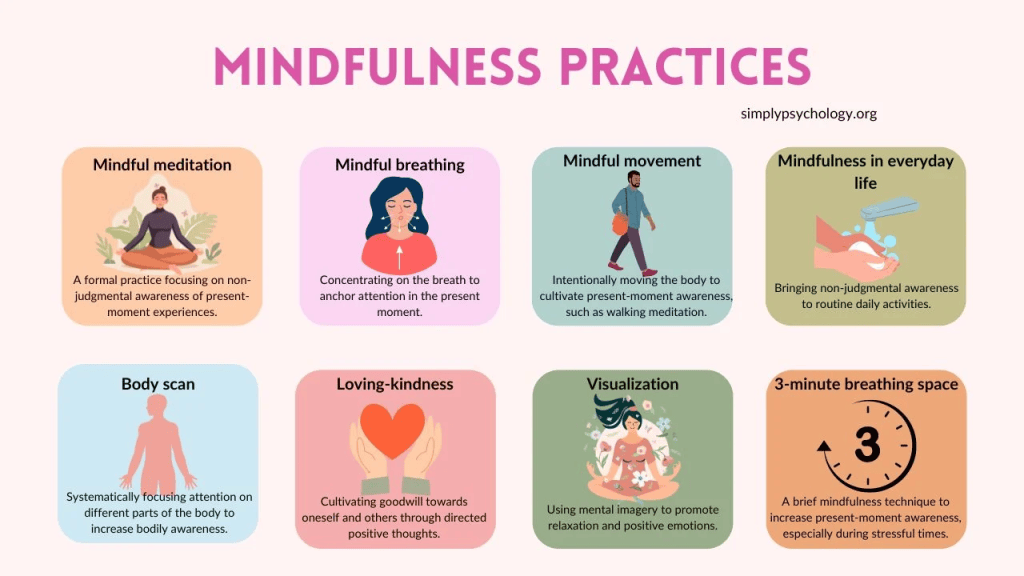
Physical activity is one of the most effective stress relievers. Whether it’s walking, running, dancing, or yoga—any form of movement helps reduce cortisol levels and boosts mood-regulating chemicals like endorphins. Mindfulness practices such as meditation, breathing exercises, or even quiet moments without digital distractions can help calm the nervous system.
Seek Support Early, Not After Crisis Hits
You don’t have to deal with stress alone. Reaching out to a friend, family member, therapist, or support group can provide relief and perspective. Professional guidance, especially from a mental health counselor, can help you develop coping strategies and recognize unhealthy patterns before they become overwhelming.
Stress may be a part of life, but it doesn’t have to control or destroy it. The damage it causes is real—but also preventable. By listening to your body, supporting your mental well-being, and making small, consistent changes, you can reduce the deadly impact of stress and move toward a healthier, more balanced life.
Related Reading