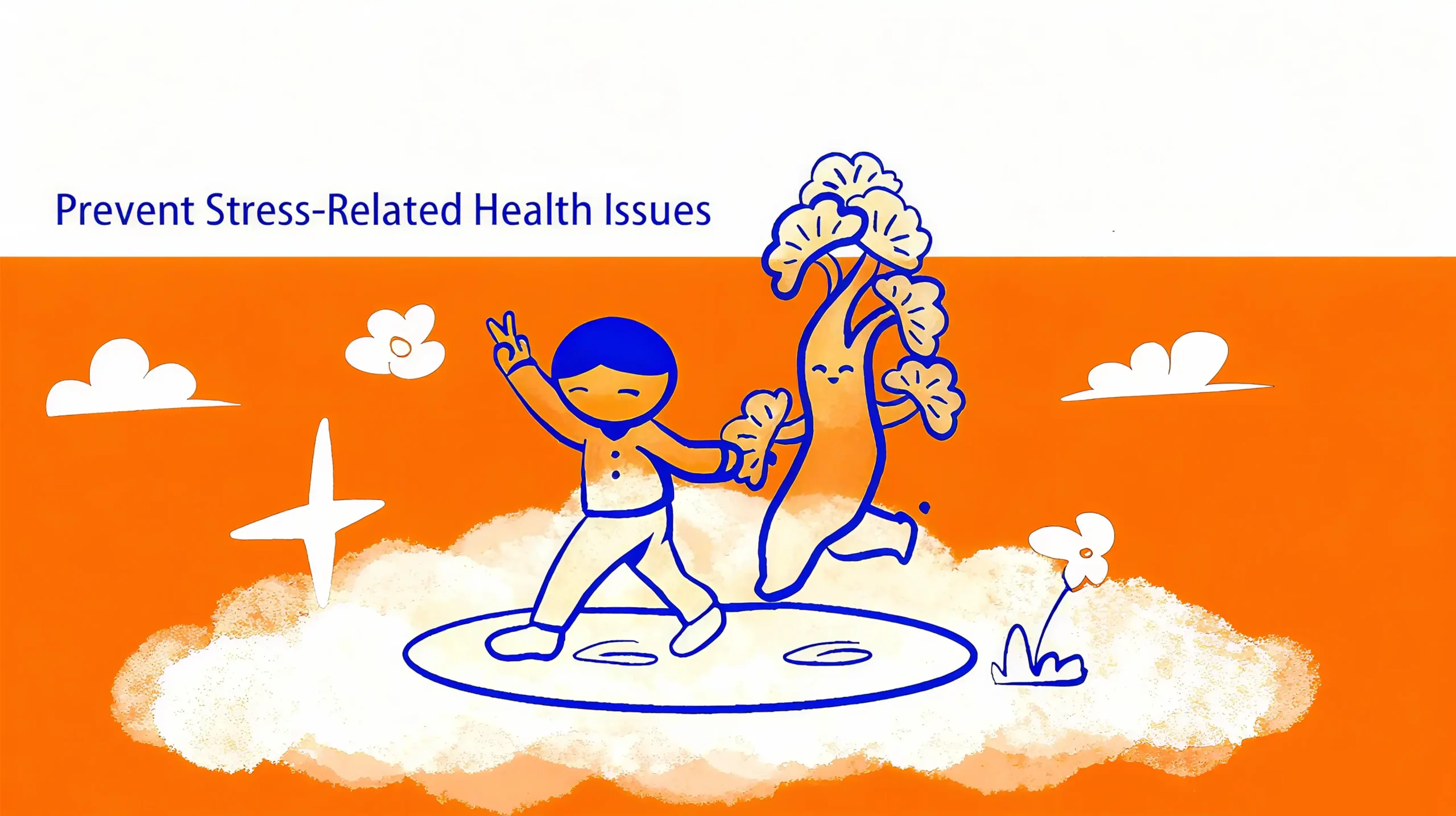
Stress has become an unavoidable part of modern life. While some pressure can help us stay alert and motivated, too much of it—especially when left unmanaged—can slowly wear down both body and mind. Over time, chronic stress can lead to serious health issues, including heart problems, insomnia, weakened immunity, and mental health disorders.
The good news? With awareness and practical habits, you’ll understand how to prevent stress-related health issues.
Understand the Impact: Why Stress Management Matters
Before learning how to manage stress, it’s important to recognize how deeply it can affect your well-being. Stress isn’t just “in your head”—it shows up in your body, emotions, and behavior.
Common Signs of Stress on the Body and Mind
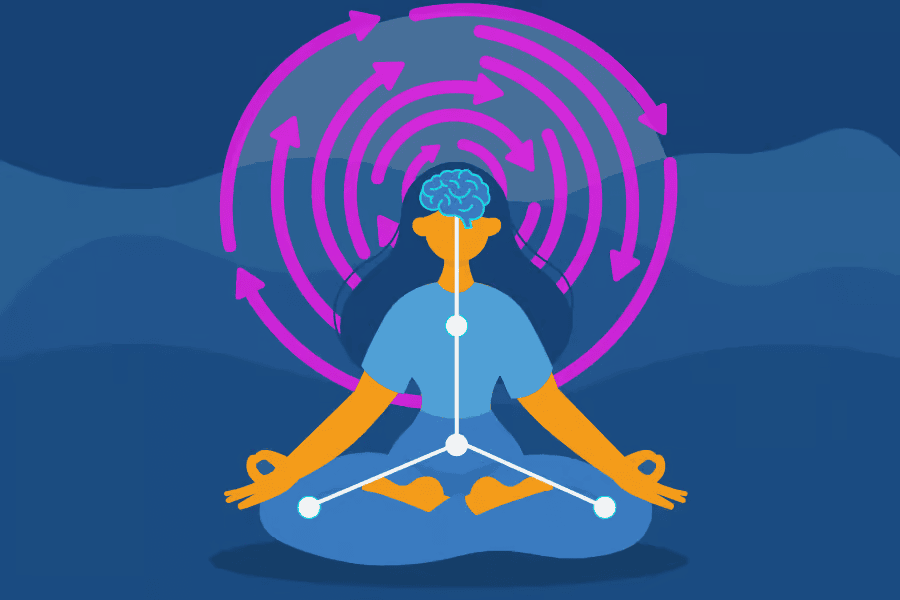
Long-term stress can disrupt many of the body’s systems. Physically, it may cause headaches, muscle tension (especially in the neck and shoulders), fatigue, digestive problems, and trouble sleeping. Mentally, stress often appears as anxiety, irritability, poor concentration, or feeling overwhelmed.
Left unchecked, these symptoms can evolve into more serious conditions like high blood pressure, heart disease, weakened immunity, and depression. Recognizing these early warning signs is the first step toward prevention.
Build Healthy Daily Habits to Stay Resilient
Once you’re aware of how stress affects you, the next step is to make intentional lifestyle changes that help your body and mind recover and stay balanced.
Prioritize Consistent Sleep and Nutrition
Good sleep is one of the most powerful tools for stress recovery. Aim for 7–8 hours of quality sleep per night. Try to go to bed and wake up at the same time each day, even on weekends. A well-rested brain is better at handling daily challenges and emotional ups and downs.
Equally important is what you eat. Choose balanced meals that include whole grains, protein, vegetables, and healthy fats. Limit caffeine, sugar, and processed foods, which can make your mood and energy levels more unstable.
Move Your Body, Even a Little Each Day
Physical activity helps release tension and stimulates the production of feel-good hormones like endorphins. You don’t need intense workouts—a 20-minute walk, light stretching, or dancing to music at home can make a real difference.
Exercise also helps regulate your sleep and improves your overall mood and energy. The key is consistency, not perfection.
Strengthen Your Mental and Emotional Tools
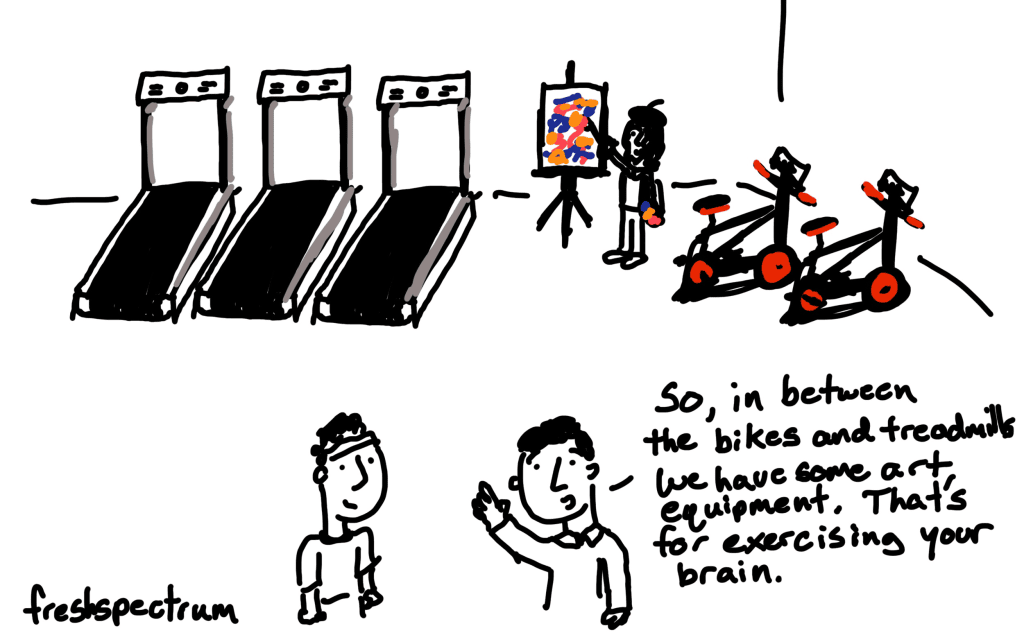
Managing stress isn’t just about physical habits—it also requires mental and emotional awareness. Learning how to pause, reflect, and respond to challenges calmly can lower your overall stress levels over time.
Practice Mindfulness and Simple Relaxation Techniques
You don’t need a full meditation routine to benefit from mindfulness. A few minutes of deep breathing, quiet time without screens, or a moment of gratitude can ground you in the present and reduce stress.
Try this: take five slow breaths, focusing only on your inhale and exhale. This small act can calm your nervous system and give your mind a break.
Stay Connected—Don’t Isolate Yourself
When stress builds up, some people tend to withdraw from others. But social support is a powerful buffer against stress. Talking with a trusted friend, family member, or therapist can help you gain perspective and feel less alone.
If your stress feels unmanageable or lasts for weeks, consider reaching out to a mental health professional. Therapy isn’t just for crisis—it can be a proactive part of staying mentally strong.
Stress is part of life—But Suffering From It Doesn’t Have to Be
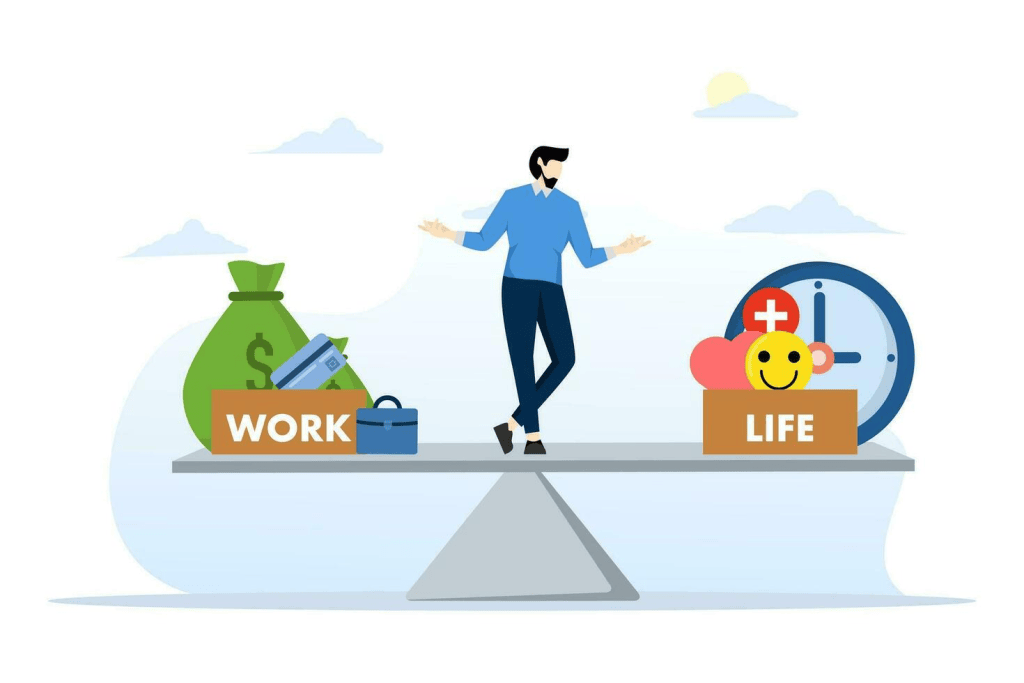
By understanding how stress affects your body and mind and by building daily habits that support both, you can reduce your risk of serious health issues. Start with small, steady changes. Over time, these steps can create a strong foundation for a healthier, calmer, and more balanced life.
Related Reading