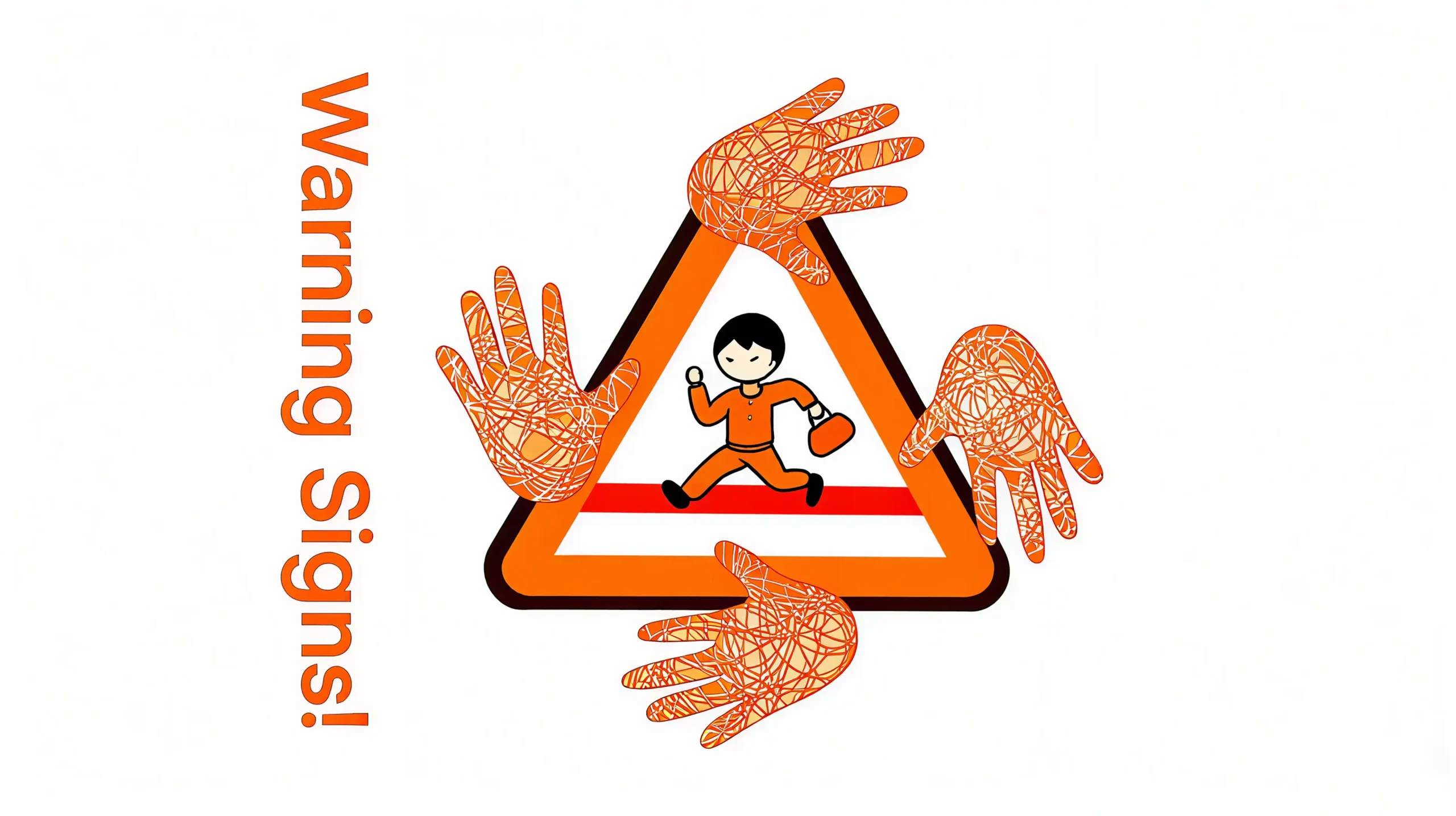
Modern life is fast-paced and competitive, and stress seems to be the norm for many people. While short-term stress can sometimes be motivating, when it persists for a long period of time without relief, physical and mental “red lights” may go off.
So how do you know when you can’t handle the stress anymore? Your body will alert you in advance when stress turns into serious health problems.
How Does Stress Quietly Affect Your Health?
At first, our reactions to stress are often temporary, such as headaches, fatigue, or emotional upset. However, if this state persists, stress is no longer just a psychological problem but can spread to the entire body system.
A Chain Reaction From Mental to Physical
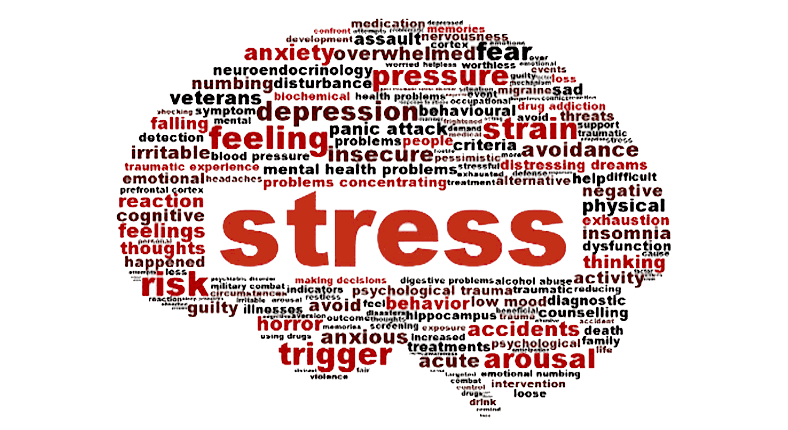
Chronic stress affects the areas of the brain that control emotions and memory, causing you to have difficulty concentrating, increased anxiety, and even induced depression. Also, the body releases large amounts of cortisol, which disrupts the immune system, making it easier to catch colds and infections or even develop chronic inflammation.
What’s more, the digestive system can be affected, for example, by stomach pains, indigestion, or appetite disorders. For some, stress can also trigger skin problems, such as recurring eczema or acne.
What Are the Signs that Stress Turns Into Serious Health Problems?
Many people are accustomed to “putting up with it,” but the body’s warning signs never appear without reason. Understanding the following signs can help us adjust our condition in time to prevent the problem from worsening.
Persistent Fatigue and Sleep Problems
If you often feel low on energy, feel tired even after a full night’s sleep, or experience insomnia, light sleep, or frequent awakenings, it may be that stress is interfering with your biological rhythms. A prolonged lack of quality sleep can affect concentration and memory and weaken the body’s ability to repair itself.
Significant Mood Swings
When you find yourself particularly sensitive to trivial matters and prone to losing your temper, shedding tears, or feeling helpless, these may not be mere personality changes but manifestations of stress at the emotional level. If they persist for more than a few weeks, it is advisable to seek help from a psychological professional.
Recurring Physical Discomfort
Frequent headaches, back pain, chest tightness, and even gastrointestinal discomfort, if recurring in the absence of obvious physical illnesses, are often related to stress. These “functional” symptoms are not fatal, but they can seriously affect daily life.
How Do I Cope and Adjust?
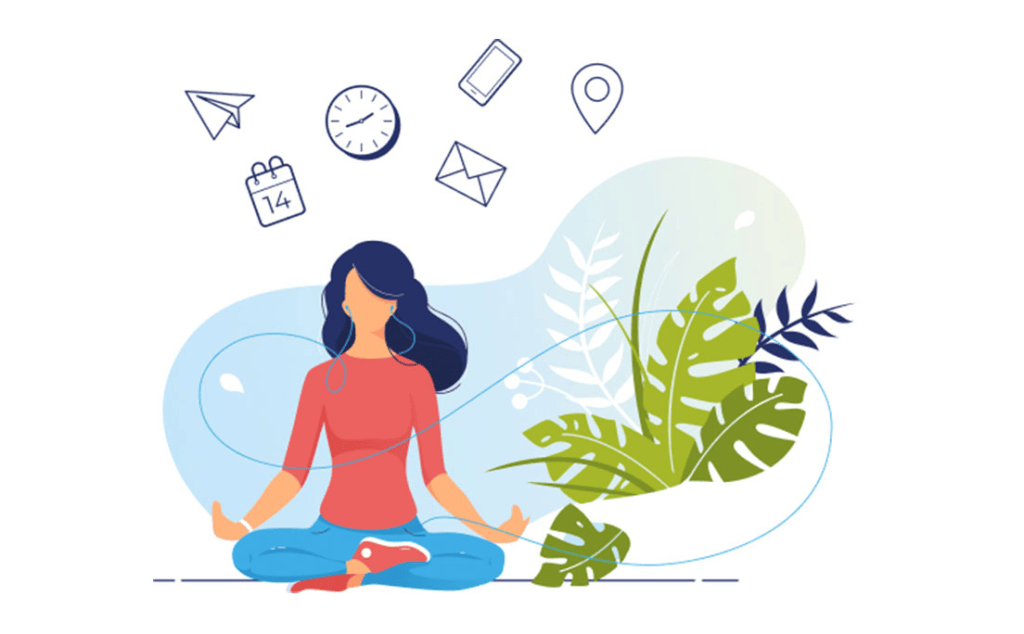
When you’ve noticed the effects of stress on your body, it’s time to revisit your lifestyle and ways of coping.
Establish a Regular Routine and Diet
Wake up and go to bed at a regular time each day to get enough sleep. It’s a good idea to cut down on caffeine and a diet high in sugar, which helps regulate the nervous system. Regular meals and balanced nutrition can help your body cope better with external changes.
Moderate Exercise and Relaxation Training
Even a 20-minute walk every day can significantly reduce levels of stress hormones. Alternatively, you can try methods such as meditation, deep breathing, and yoga, which also help to stabilize your mood and increase your body’s tolerance to stress.
Don’t Neglect Psychological Support
Talk to your friends and family about your feelings, or seek psychological counseling. Perhaps this will not only help you channel your emotions but also get more support.
Conclusion
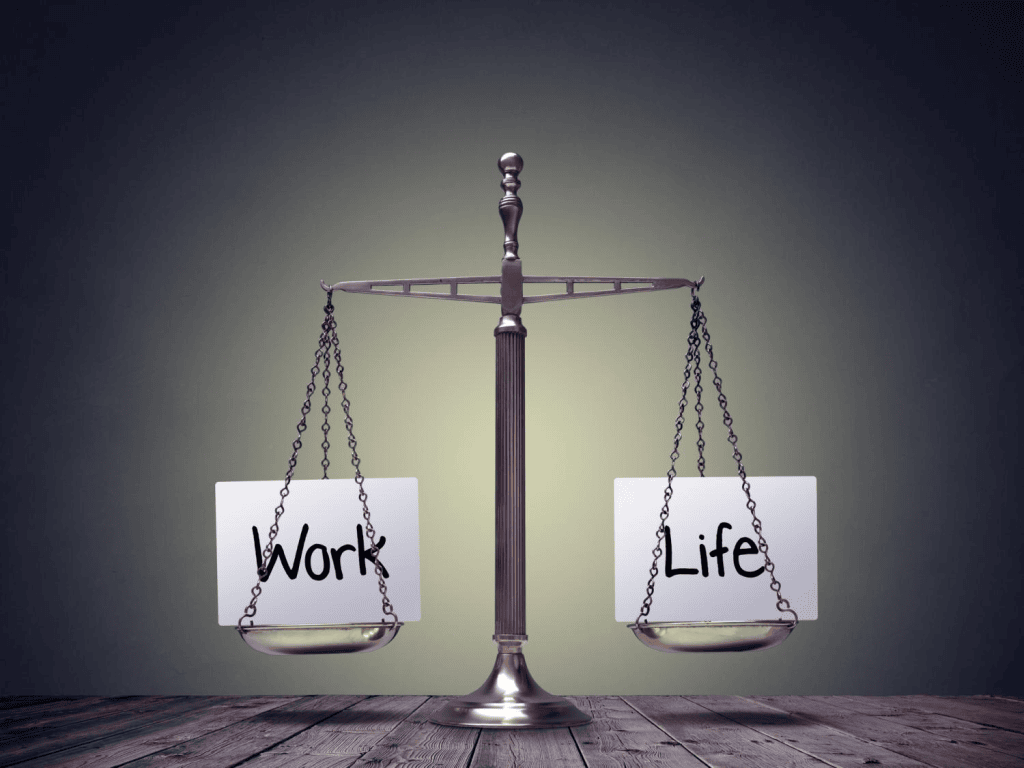
Stress is not scary; you should notice the changes it brings and respond promptly. When we learn to listen to our bodies and know how to relax and adjust at the right time, we are better able to maintain inner balance and health in the complexity of life.
Related Reading